

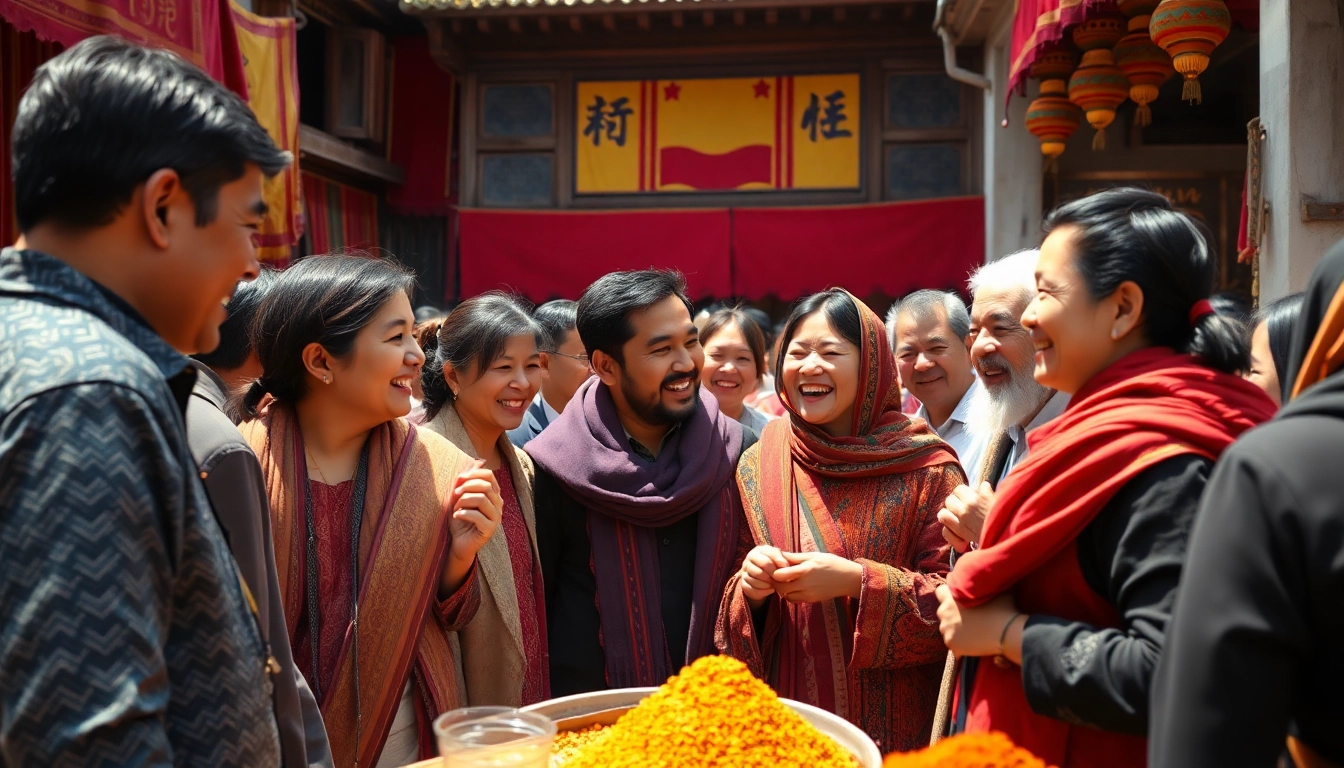
Introduction to the Uyghurs Community
The Uyghurs Community is one of the most culturally rich and historically significant ethnic groups in Central Asia. Predominantly residing in the Xinjiang Uyghur Autonomous Region of China, the Uyghurs have a distinct identity that is deeply rooted in their historical background, cultural heritage, and lifestyle. Understanding the complexities surrounding this community requires a comprehensive exploration of their history, current demographics, cultural practices, and the challenges they face.
Historical Background
The Uyghurs have a history that dates back over a thousand years, intertwined with the Silk Road’s rich tapestry of trade and cultural exchange. Initially, they were a nomadic group, later settling in Gobi’s region and establishing the Uyghur Khaganate in the 8th century. This paved the way for significant cultural and economic development. Over centuries, the Uyghurs migrated into present-day Xinjiang, influenced by Buddhist, Islamic, and Mongolic cultures, which shaped their identity.
As the 20th century unfolded, the political landscape in Central Asia experienced profound changes. Following the fall of the Qing Dynasty, the region underwent a series of transformations, including brief periods of independence and subsequent incorporation into the People’s Republic of China in 1949. This integration has had enduring implications on the Uyghurs’ political status and cultural practices, leading to a complex tension between assimilation pressures and cultural preservation.
Cultural Heritage
The Uyghurs boast a vibrant cultural heritage marked by unique languages, religion, art, and traditions. The Uyghur language, a member of the Turkic language family, reflects this identity. Predominantly Muslim, their religious practices blend deep Islamic faith with particular cultural expressions. Their traditional music, dances, and unique art forms such as carpet weaving and embroidery are celebrated not just locally but have garnered international attention for their intricate designs.
Food also plays a crucial role in their cultural expression. With dishes such as laghman (hand-pulled noodles), kebabs, and dumplings, Uyghur cuisine is distinctive, showcasing a fusion of Central Asian flavors, spices, and cooking methods. Festivals and communal gatherings are paramount in maintaining cultural identity, with celebrations frequently marked by traditional performances and communal meals.
Current Demographics
The Uyghurs’ population is primarily concentrated in Xinjiang, where they make up about 45% of the region’s inhabitants according to estimates. Due to demographic changes and migration policies enacted by the Chinese government, the Uyghur population has experienced significant shifts, leading to a substantial Han Chinese presence in the region. This demographic transformation has exacerbated social tensions and has frequently been a focal point in ongoing discussions about cultural identity and autonomy.
Outside of China, there are sizeable Uyghur communities in Turkey, Kazakhstan, and other countries, where they continue to preserve their language, customs, and traditions. These diaspora communities play an essential role in raising awareness about the challenges faced by the Uyghurs in China, advocating for their rights, and fostering international solidarity.
Challenges Faced by the Uyghurs Community
Political and Social Issues
The Uyghurs are involved in acute political struggles that encompass issues of autonomy, governance, and human rights. The Chinese government’s policies have enforcement measures aimed at perceived separatism or extremism, resulting in extensive surveillance and control over the Uyghur population. Reports of arbitrary detention, restrictions on religious practices, and limitations on cultural expression have raised alarm among international human rights organizations.
Social integration remains a contentious issue as government efforts to assimilate the Uyghurs into a singular Chinese identity have often led to resistance and backlash from the Uyghur community itself. The lack of political representation and public voice further complicates their plight, making it imperative for international communities to advocate for equitable governance and coexistence.
Human Rights Violations
The challenges faced by the Uyghurs have intersected with significant human rights violations. Reports and documentation indicate widespread abuses, including mass internment in so-called “re-education camps,” forced labor, and severe restrictions on freedom of movement. The global community has reacted to these revelations with condemnation and calls for accountability.
Human rights advocates argue that the treatment of the Uyghurs constitutes a form of cultural genocide, systematically aimed at erasing their identity, language, and beliefs. This ongoing crisis demands urgent international attention to ensure the protection of fundamental human rights defined by international conventions.
Economic Disadvantages
The Uyghurs face economic disadvantages that are exacerbated by government policies discriminating against them. Economic opportunities exist in Xinjiang, but often they are not accessible to Uyghurs due to systemic barriers and preferential treatment given to Han Chinese individuals. Unemployment rates amongst Uyghurs are considerably higher than that of their Han counterparts, leading to increased poverty levels.
Additionally, the emphasis on heavy industrial development in the region has further marginalized traditional Uyghur livelihoods, such as pastoralism and agriculture. International sanctions and boycotts of products sourced from forced labor practices also present unique economic challenges for the Uyghurs, pushing them into precarious economic situations.
Advocacy and Support for the Uyghurs Community
International Response
Globally, the Uyghurs have garnered increasing attention as human rights organizations, governments, and activists spotlight their predicament. Initiatives advocating for the Uyghurs have been amplified through social media campaigns and awareness efforts, rallying empathy and support. Various countries have condemned the Chinese government’s actions and raised these issues at international forums.
The United Nations and various non-governmental organizations have participated in monitoring human rights developments in Xinjiang, while some countries have enacted laws to prevent imports produced through forced labor, thus applying pressure on China to ensure compliance with international standards.
Support Organizations
Numerous organizations are actively supporting the Uyghurs in their fight for justice and cultural preservation. These organizations work to document human rights abuses, provide legal assistance, and promote awareness of the Uyghurs’ cultural heritage globally. Groups such as the Uyghur Human Rights Project, the World Uyghur Congress, and Amnesty International play crucial roles in raising awareness, conducting advocacy, and mobilizing communities around the globe.
Moreover, grassroots initiatives have emerged, particularly within diaspora communities, emphasizing cultural preservation through education, art, and storytelling. These movements reflect a collective commitment to not only resist oppression but also to celebrate and preserve Uyghur identity.
How to Get Involved
Getting involved in advocacy for the Uyghurs can take many forms. Individuals can support by educating themselves about the issues, sharing information on social media, and attending events that raise awareness about Uyghur rights. Donations to organizations working on the ground can provide necessary resources to continue their important work. Volunteering time or skills—be it through advocacy, education, or gaining support for campaigns—can significantly contribute to fostering international solidarity with the Uyghurs.
Engaging in and promoting community discussions about the Uyghurs can also enhance public awareness and mobilize action. Every effort counts in amplifying the voices of the Uyghurs and fostering a broader movement for their rights and dignity.
The Cultural Significance of Uyghurs Community Traditions
Food and Cuisine
Uyghur cuisine is a cornerstone of their cultural identity, deeply intertwined with the community’s history and experiences. Renowned for its flavors and hearty dishes, Uyghur food reflects a blend of Central Asian culinary techniques and local produce. Dishes such as polo (rice pilaf), manti (dumplings), and kebabs are not just meals but a reflection of their nomadic heritage and hospitality.
Traditional cooking methods often involve communal preparation and sharing, highlighting the importance of fellowship within the community. Festivals and special occasions see elaborate meals served, bringing families and friends together to celebrate culture and heritage through food.
Clothing and Festivals
Traditional Uyghur clothing showcases vibrant colors and intricate designs, often featuring patterns that have been passed down through generations. Men typically wear a doppa, a cap reflecting their cultural identity, while women adorn themselves in beautifully embroidered dresses that signify their heritage and community identity.
Festivals play an integral role in preserving traditions. Events such as Eid al-Fitr and Nowruz (the Persian New Year) are celebrated with fervor, featuring traditional music, dance, and food, acting as potent reminders of cultural continuity despite external challenges. These occasions significantly bolster communal ties and foster collective identity among the Uyghurs.
Art and Music
The Uyghurs have a rich tradition of art and music, integral to their cultural expressions and communal identity. Music, particularly, plays a vital role in storytelling and preserving historical narratives, often accompanied by traditional instruments such as the dutar and rawap. Song and dance performances at cultural gatherings resonate with deep emotions, reflecting their struggles and aspirations.
Art forms, including calligraphy, painting, and textile work, are also significant cultural expressions. Artisans skillfully create pieces that not only serve aesthetic purposes but also carry profound cultural significance, often depicting themes central to the Uyghur experience.
Future Outlook for the Uyghurs Community
Efforts for Cultural Preservation
In the face of adversity, the Uyghurs continue to prioritize the preservation of their cultural identity. Organizations and advocates are working tirelessly to document and promote Uyghur language, art, and traditions. Digital platforms have arisen, providing resources for the younger generations to connect with their heritage while fostering a global audience’s awareness of Uyghur culture.
These efforts emphasize the importance of narrative ownership, allowing the Uyghurs to share their stories and experiences authentically. Cultural preservation, thus, becomes a form of resistance against assimilation and cultural erasure.
Global Awareness Initiatives
The role of global awareness initiatives in fostering support for the Uyghurs cannot be underestimated. Activists and NGOs play crucial roles in amplifying their plight through campaigns, petitions, and educational programs aimed at informing citizens worldwide about the ongoing issues faced by the Uyghurs.
International collaborations and alliances with human rights organizations help leverage resources, knowledge, and networks necessary to advocate collectively for the Uyghurs vigorously. As awareness grows, so does the potential for grassroots movements and increased political pressure on influential governments to take action.
Potential for Change
The potential for positive change for the Uyghurs rests on several factors working in unison. An increase in international solidarity, advocacy efforts, and pressure on the Chinese government can lead to pivotal changes in policies affecting the Uyghurs. Grassroots movements have historically contributed to significant shifts in social and political landscapes, inspiring hope for a more equitable future for the Uyghurs.
Collaboration among activists, scholars, and conscientious organizations presents opportunities to build momentum towards actualizing rights and dignity for the Uyghurs. Sustained efforts within and outside the community can cultivate a more favorable environment for cultural expression and political representation, nurturing a resilient and thriving Uyghurs Community.
Frequently Asked Questions
What is the Uyghurs Community known for?
The Uyghurs Community is renowned for its rich cultural heritage, unique traditions, language, and distinct cuisine, representing a blend of Central Asian influences.
Where do most Uyghurs reside?
Most Uyghurs reside in the Xinjiang Uyghur Autonomous Region of China, where they form a significant part of the population.
What challenges do Uyghurs face today?
Uyghurs face significant challenges, including human rights violations, political suppression, social discrimination, and economic disadvantages.
How can I support the Uyghurs Community?
You can support the Uyghurs by educating yourself, advocating for their rights, donating to support organizations, and raising awareness about their plight.
Why is Uyghur culture important to preserve?
Preserving Uyghur culture is crucial for maintaining their identity, heritage, and history, particularly in the face of ongoing suppression and cultural erasure efforts.