
Understanding Florida Hurricane Damage: A Comprehensive Overview
Florida is synonymous with hurricanes. Residing in a region known for its tropical climate and coastlines that meet the formidable Atlantic Ocean, it faces significant risks from these severe storms. The devastation brought by hurricanes can be profound, affecting not only the physical structures but also the emotional and economic fabric of communities. In this detailed examination of Florida Hurricane Damage, we will explore various aspects, from the types of damage caused to recovery strategies and future preparedness efforts.
What Constitutes Hurricane Damage in Florida?
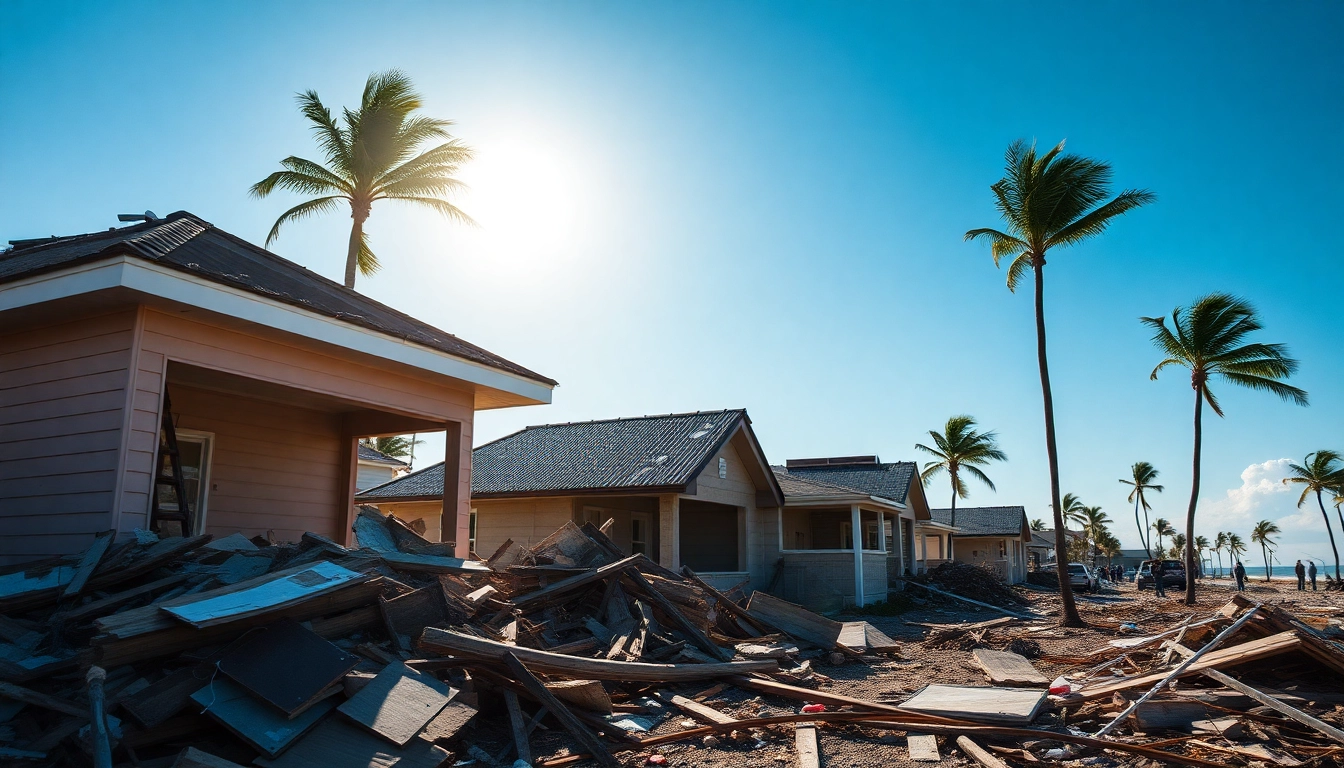
Understanding what constitutes hurricane damage is critical for residents and policymakers alike. Hurricane damage encompasses a range of impacts, both immediate and long-term, that arise from wind, rain, flood, and storm surges. Key components include:
- Wind Damage: Winds can reach speeds exceeding 150 mph during hurricanes, causing roofs to tear off, trees to uproot, and power lines to snap.
- Water Damage: Heavy rain and storm surges can inundate homes and businesses, leading to severe flooding and mold growth.
- Infrastructure Damage: Roads, bridges, and utilities can be heavily impacted, resulting in extended periods of disrepair.
The state of Florida has estimated that hurricanes can lead to billions in damages, highlighting the necessity for robust assessment and response strategies.
Historical Context of Damage from Florida Hurricanes
Florida has been struck by numerous hurricanes throughout its history, each leaving a unique mark on the landscape. Some of the most notable hurricanes include:
- Hurricane Andrew (1992): This catastrophic storm caused over $26 billion in damages and remains one of the most devastating natural disasters in Florida history.
- Hurricane Katrina (2005): While primarily known for its impact on New Orleans, Katrina affected Florida significantly, demonstrating the interconnectedness of hurricane impacts across states.
- Hurricane Irma (2017): A reminder of the power of these storms, Irma caused $50 billion in damage, impacting millions of residents and highlighting the vulnerabilities of a growing population.
Recent Hurricane Incidents and Their Effects
Recent hurricanes have served as a stark reminder of the ongoing threat to Florida. For instance:
- Hurricane Milton: Recently classified as a Category 3 storm upon landfall, it resulted in both physical destruction and economic turmoil, with damages estimated at over $100 billion.
- Hurricane Helene: Another storm that caused catastrophic damage and fatalities across parts of Florida, underscoring the importance of preparedness and responsive infrastructure.
Types of Damage Caused by Hurricanes
Aside from immediate visible damage, hurricanes can cause long-term repercussions that affect individuals and communities profoundly. Here are key categories of damage:
Structural Damage to Residential Buildings
Homeowners often confront extensive structural damage following a hurricane. The combinations of wind speeds and water inundation can compromise foundations, siding, and roofs.
Moreover, the resulting mold and exposure can render homes uninhabitable, necessitating long-term repairs or outright rebuilding. As seen in past incidents, buildings not constructed to withstand hurricane conditions suffer the most.
Impact on Infrastructure and Utilities
Hurricanes can cripple local infrastructures such as roads, bridges, and utilities. Access to essential services may be disrupted, significantly affecting emergency response times. Challenges such as debris removal and downed power lines often necessitate prolonged recovery periods, thereby amplifying the initial damage’s impact.
Areas particularly prone to flooding face additional challenges, as storm surges can wash away roadways and require complete reconstruction.
Economic Consequences of Hurricane Induced Damage
The economic fallout from hurricane damage can be staggering. Businesses may face loss of revenue due to operational downtime, while labor markets could shrink due to displacement or evacuations.
Furthermore, sectors such as agriculture are heavily impacted, with crop losses contributing directly to shortfalls in food supply and rising prices. The cumulative effect on the state economy can take years to recover, often resulting in increased taxes and insurance premiums.
Assessment and Documentation of Damage
Accurate assessment and documentation of hurricane damage are crucial for effective recovery. Various methodologies and frameworks are employed to ensure thorough evaluations.
Methods for Evaluating Hurricane Damage
Evaluation methods vary depending on the type of damage. Common practices include:
- Visual Inspections: Assessors physically inspect properties to identify visible damage.
- Structural Engineering Assessments: Professionals evaluate buildings for structural integrity and potential hazards.
- Geographical Information Systems (GIS): Advanced technology is employed to map affected areas and analyze damage patterns.
Importance of Accurate Damage Reporting
Accurate damage reporting is vital for several reasons. It guides emergency response and relief efforts, ensures appropriate resource allocation, and aids governments in applying for federal aid. Inaccurate data can lead to inadequate responses, prolonging recovery efforts.
Role of Insurance in Claiming Florida Hurricane Damage
Insurance plays a pivotal role in recovery from hurricane damage. Homeowners are encouraged to have comprehensive policies that cover various aspects of hurricane damage. Understanding the nuances of coverage, such as deductibles and policy limits, can significantly influence recovery processes.
Proper documentation of damage, including photographs and repair estimates, is essential when filing claims. A well-prepared claim can expedite the recovery process, lessening the financial burdens on affected individuals.
Restoration and Recovery from Hurricane Damage
Recovery from hurricane damage involves myriad steps, including community efforts, resource allocation, and individual resilience.
Strategies for Effective Recovery Efforts
Successful recovery is contingent upon well-organized strategies that encompass both immediate and long-term needs:
- Community Coordination: Engaging local organizations and citizens in recovery efforts can foster resilience and quickly address immediate needs.
- Infrastructure Rebuilding: Investing in storm-resistant infrastructure ensures that communities can withstand future hurricanes.
- Mental Health Resources: Addressing the psychological impact of hurricanes is essential; support systems should be put in place to assist affected individuals.
Community Support Mechanisms
Community support plays an essential role in recovery. Mutual aid groups and local businesses often rally together to provide assistance, from shelter to food and home repair resources. Grassroots organizations can mobilize quickly, filling gaps left by larger entities.
Government Programs for Disaster Relief
At the governmental level, numerous programs are enacted to aid recovery efforts. These may include federal disaster assistance, grants for rebuilding, and loans for repair. State and local agencies often collaborate with federal programs to streamline support for affected residents.
Future Preparedness and Hurricane Damage Mitigation
Looking forward, preparedness is key to minimizing future hurricane damages. Comprehensive planning and proactive measures can significantly reduce the impact of storms.
Building Codes and Regulations in Hurricane-Prone Areas
Updated building codes incorporate lessons learned from past storms, emphasizing the importance of resilient designs. Structures built to withstand hurricane-force winds and flooding are less likely to suffer catastrophic damage, significantly enhancing community resilience.
Regular updates and enforcement of these regulations are crucial as climate change continues to alter storm patterns and intensities.
Community Initiatives for Disaster Preparedness
Community engagement in preparedness initiatives can empower residents to take action before storms strike. Training sessions, emergency drills, and informational workshops can educate the population on best practices and response strategies, fostering a culture of readiness.
Innovations in Hurricane Resilience and Damage Reduction
Advancements in technology and materials science are paving the way for innovative solutions in hurricane resilience. Techniques like green infrastructure, flood-resistant landscaping, and advanced roofing materials are being developed to mitigate damage and enhance recovery. Research into the environmental impacts of hurricanes is also ongoing, seeking sustainable practices that can reduce vulnerability.
Conclusion
Florida’s vulnerability to hurricanes necessitates a comprehensive understanding of the potential damage and effective strategies for recovery. From personal preparedness to policy initiatives and infrastructural resilience, every effort counts in minimizing the impact of future storms. As Florida continues to face the realities of climate change and more frequent hurricanes, community engagement, innovative solutions, and resilient planning remain integral to protecting lives and property.