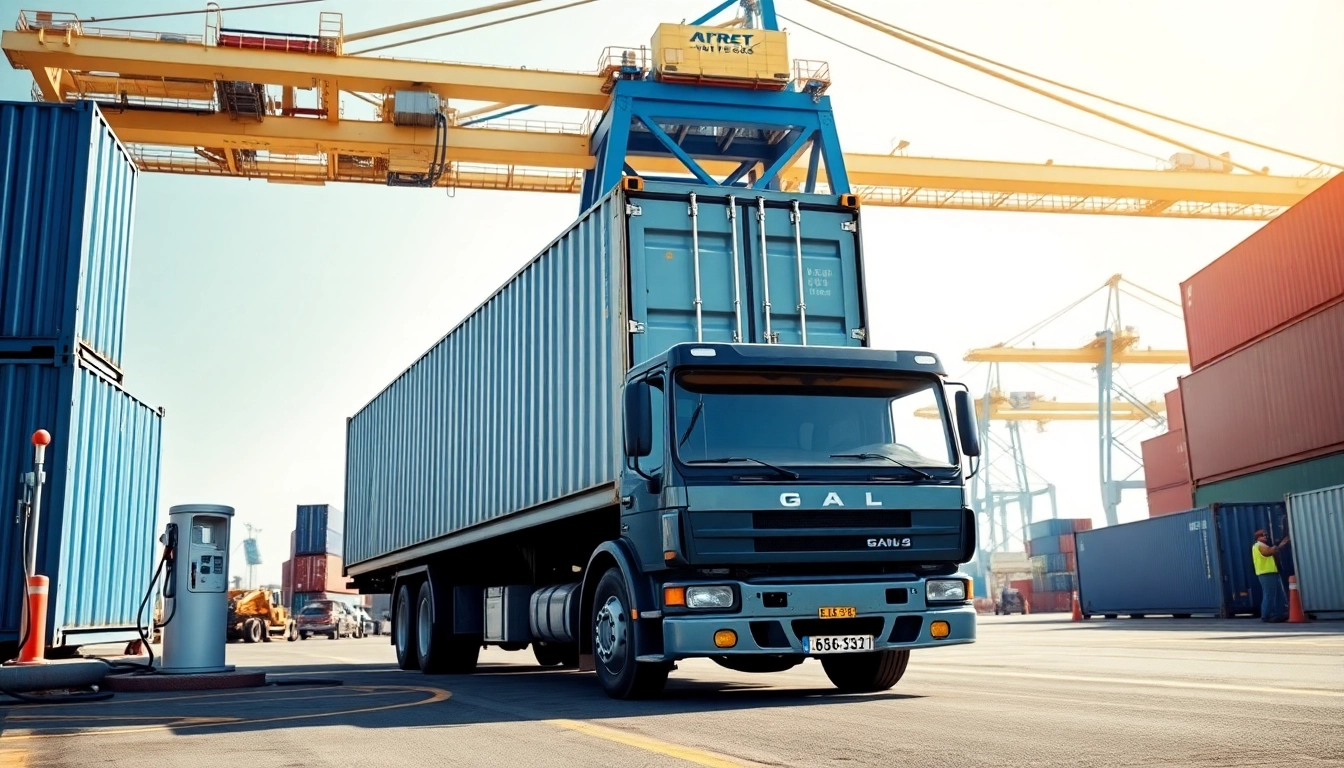
What is Drayage?
Definition and Overview of Drayage
Drayage refers to the transportation of shipping containers or freight over short distances, primarily by truck. This crucial service often acts as a key component in the larger logistics chain, linking major transportation hubs such as ports, rail terminals, and warehouses. The process of drayage not only involves the physical movement of cargo but also encompasses various administrative tasks, including scheduling, documentation, and compliance with local and federal regulations. As a vital part of the supply chain, drayage can range from just a few miles to around 50 miles, making it a pivotal service for businesses engaged in intermodal transportation. For more information on drayage services, check out Drayage resources.
Types of Drayage Services
There are several types of drayage services, each catering to specific aspects of transportation logistics:
- Port Drayage: This type involves transporting containers to and from shipping ports. It is commonly utilized for moving goods between ships and nearby distribution centers.
- Rail Drayage: This service bridges the gap between rail terminals and warehouses. Containers moved by rail often require drayage to complete their journey, especially for inland deliveries.
- Intermodal Drayage: Connecting various transport modes, intermodal drayage supports shipments that may travel by truck, rail, and sea, ensuring efficient cargo movement across differing transport systems.
- Expedited Drayage: For urgent shipments, expedited drayage prioritizes delivery speed and efficiency, often at a higher cost. This service is crucial for time-sensitive goods.
- Dedicated Drayage: This service involves exclusive use of trucks for specific clients or contracts, ensuring reliability and tailored service levels.
Importance of Drayage in Logistics
Drayage plays an essential role in the broader logistics ecosystem. It replenishes warehouses and retail outlets, contributes to inventory management, and helps accommodate the complexities of supply chain dynamics. Key reasons for its importance include:
- Efficiency: By connecting multiple transport modes, drayage streamlines operations, cutting down transit times and optimizing delivery schedules.
- Flexibility: Drayage services are flexible and can adapt to various logistical needs, including last-minute shipments and seasonal demands.
- Cost-Effectiveness: Proper management of drayage can reduce overall shipping expenses, particularly when balancing load sizes and transportation costs.
- Environmental Impact: By minimizing empty miles and optimizing routes, drayage services can contribute to reducing the carbon footprint associated with freight transportation.
How Drayage Works
Key Processes in Drayage Operations
The drayage process is multifaceted and requires careful coordination between various stakeholders, including shippers, carriers, and terminal operators. Here’s how it typically works:
- Booking: Shippers request drayage services from carriers, specifying container types and transport needs.
- Container Pickup: Trucks are dispatched to pick up containers from ports or rail yards. Accurate scheduling is critical to minimize wait times and demurrage fees.
- Transport: The container is transported to the destination, whether that be a warehouse, distribution center, or another transport hub.
- Drop Off: Upon arrival, the container is delivered, and any necessary documentation (such as delivery receipts) is processed.
- Return: In many cases, the truck will return the empty container to the originating terminal to avoid additional charges.
Role of Drayage in Intermodal Transport
Drayage serves as the connecting link within intermodal transport, seamlessly bridging various transportation modes. The following factors highlight its significance:
- Containerization: Drayage supports the intermodal shipping model by moving standardized containers, making it easier to transfer goods between transport modes without repacking.
- Last-Mile Delivery: In intermodal logistics, drayage often constitutes the last mile of delivery, showcasing its pivotal role in successfully completing long-distance shipments.
- Operational Efficiency: By using drayage services, shippers can optimize routes, improve delivery times, and reduce transportation costs across multiple modes.
Challenges Faced in Drayage
While drayage is essential to logistics, the sector faces multiple challenges, including:
- Traffic Congestion: Ports and urban areas often experience significant traffic, leading to delays that can affect delivery schedules.
- Regulatory Compliance: Drayage companies must adhere to various state and federal regulations regarding safety and environmental standards.
- Cost Volatility: Fluctuating fuel prices and tariff changes can impact drayage costs, necessitating ongoing monitoring and strategic planning.
- Driver Shortages: The trucking industry is facing a shortage of qualified drivers, which can lead to delays and increased transportation costs.
Cost Factors in Drayage Services
Understanding Drayage Pricing
The pricing model for drayage can be complex, influenced by multiple factors, including:
- Distance: The distance between pickup and drop-off locations is the primary factor influencing costs.
- Container Size: Different container sizes incur varying fees; larger containers usually have higher transport costs.
- Accessorial Charges: Additional fees such as liftgate service, detention charges, and unloading fees may apply.
- Market Demand: Seasonal fluctuations and demand for truck capacity can drive pricing changes.
Billing and Payment Structures in Drayage
Drayage services are typically billed based on a rate per mile, fluctuating by the factors discussed above. Payment structures usually include the following:
- Flat Rate: Some companies offer flat-rate pricing based on predetermined distance and type of service.
- Variable Rates: Pricing may vary based on fuel costs, demand, and seasonality.
- Accessorial Fees: Riders may be included in the bill for services such as loading, unloading, and waiting times.
Cost Comparison: Drayage vs Other Freight Services
When comparing drayage to other freight services, factors such as distance, type of cargo, and urgency of delivery play significant roles. Generally, drayage is more cost-effective than long-haul trucking for short distances, while less economical when compared to rail transport for larger shipments over extended distances.
Drayage Regulations and Compliance
Legal Standards in Drayage Operations
Drayage companies must adhere to various legal standards, including:
- Transportation Regulations: Compliance with the regulations of the Department of Transportation (DOT) ensures safe operating practices.
- State Laws: State regulations may impose specific requirements based on location.
- Insurance Requirements: To protect against accidents or damages, adequate insurance coverage is essential.
Safety Regulations Impacting Drayage
Safety regulations for drayage services include vehicle maintenance protocols, driver training requirements, and guidelines for safe container handling. Companies often implement training programs to elevate safety standards and reduce accidents.
Environmental Considerations in Drayage
With rising concerns surrounding environmental sustainability, drayage operators are increasingly focusing on practices to limit their carbon footprint, such as:
- Fleet Modernization: Investing in modern, fuel-efficient trucks to reduce emissions.
- Optimized Routing: Employing software and technology to determine the most efficient routes, thereby minimizing fuel consumption.
Future Trends in Drayage
Technological Advances in Drayage
The drayage industry is evolving with technology, introducing innovations like:
- Real-time Tracking: Allowing shippers to monitor shipments closely, improving transparency and efficiency.
- Fleet Management Software: Offering comprehensive solutions to optimize scheduling, maintenance, and overall operations.
- Telematics: Enhancing operational insights through data collection from vehicles, helping improve fuel efficiency and route planning.
The Role of Automation in Drayage Operations
Automation is reshaping drayage by increasing efficiency in various ways, including:
- Automated Scheduling: Tools that enable real-time optimization of delivery timetables to reduce waiting times and increase productivity.
- Driver Assistance Technologies: Implementation of AI-driven systems to assist drivers in decision-making and navigation.
Market Predictions for Drayage Services
As the logistics landscape continues to change, several trends are expected to shape the future of drayage services:
- Increased Demand: With e-commerce growth, the demand for quick and efficient drayage services is expected to rise, urging companies to expand capacity and improve efficiency.
- Focus on Sustainability: Environmental regulations will become more stringent, pushing trucking companies to adopt greener practices.
- Technological Integration: Continued investments in technology will streamline operations and improve customer service across the supply chain.