

Understanding the Sliding Shower Door Concept
What is a Sliding Shower Door?
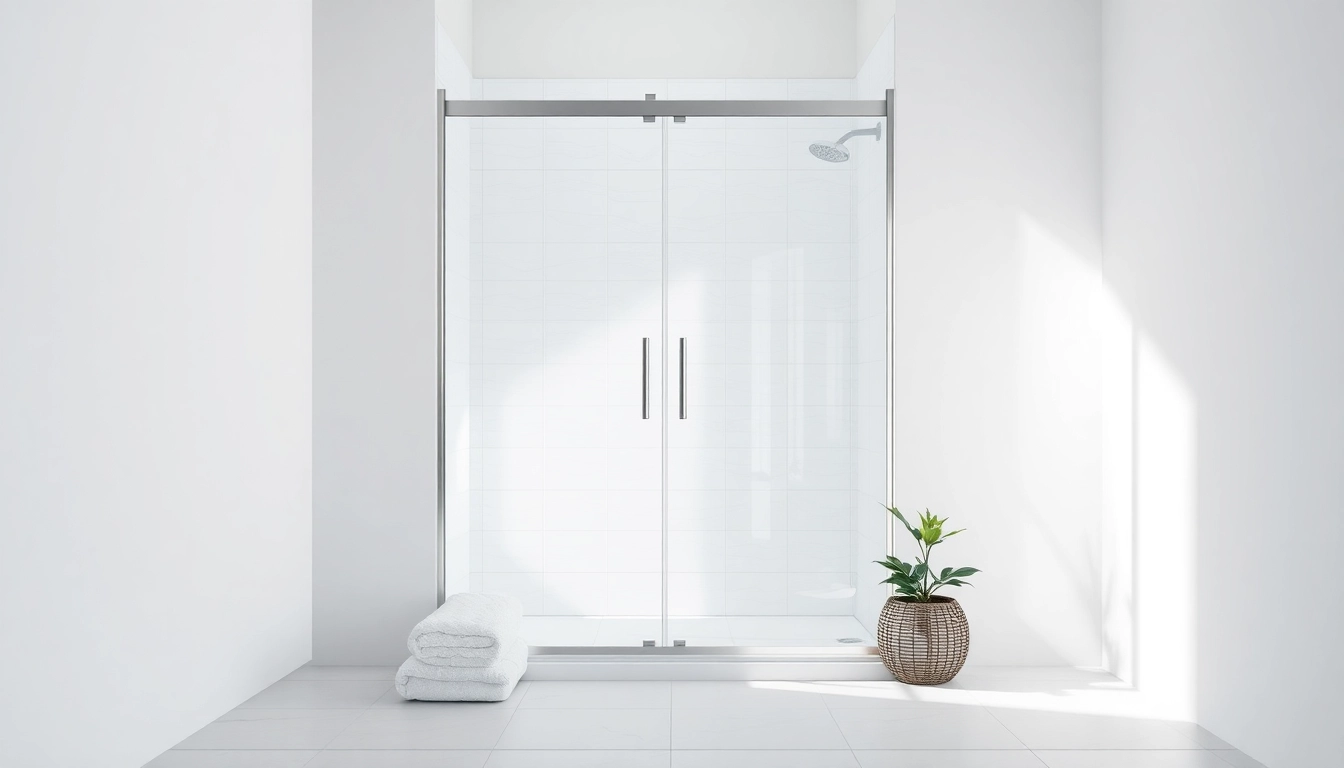
A sliding shower door is a type of door that opens by sliding along a track rather than swinging open, making it a popular choice for many contemporary bathrooms. These doors are often made of glass and are designed to fit over traditional shower spaces or bathtubs, providing an elegant and space-saving solution. Unlike hinged doors, which require clearance space to open, sliding shower doors are ideal for smaller bathrooms where maximizing space is essential. For those looking to explore beautiful designs, the sliding shower door offers various styles and finishes, ensuring that any aesthetic can be achieved.
Components and Their Functions
Understanding the different components that constitute a sliding shower door can help homeowners appreciate its functionality. The key components include:
- Glass Panels: Typically made of tempered safety glass, these panels provide durability while allowing light to enter the shower area, making the space feel larger.
- Tracks: The upper and lower tracks are essential for the smooth movement of the sliding panels. They should be precisely aligned to prevent any jamming.
- Rollers: Mounted on the top edge of the glass panels, the rollers glide along the tracks. Choosing high-quality rollers can significantly improve the longevity and functionality of the door.
- End Stops: These are mechanisms placed at the ends of the tracks to prevent the doors from sliding off. They ensure safety and stability when using the shower.
Common Materials Used
Sliding shower doors are primarily made from the following materials:
- Tempered Glass: This is the standard material due to its safety and ability to withstand temperature changes.
- Framed vs. Frameless: Framed doors come with a metal frame that provides additional support while frameless doors offer a modern, sleek appearance.
- Aluminum Tracks: These are often coated to prevent corrosion and enhance aesthetic appeal.
- Hardware: Stainless steel or brass is commonly used for the various fittings and connectors for their durability.
Benefits of Using a Sliding Shower Door
Space Efficiency in Your Bathroom
One of the most significant advantages of a sliding shower door is its space-saving design. Since the doors slide rather than swing open, they require less space in front of the shower, making them ideal for compact bathrooms. This efficiency allows for more flexibility in the bathroom layout. Homeowners can use the extra space for additional storage or decor, making the bathroom feel more spacious overall.
Ease of Use for All Ages
Sliding shower doors are particularly user-friendly. They offer effortless access to individuals of all ages, including children and the elderly. Unlike hinged doors that can be cumbersome for some users, a sliding door glides easily along its track without requiring significant force or dexterity. This feature is beneficial, especially in family environments or homes with aging individuals needing easier access to the shower.
Style and Aesthetic Appeal
Not only are sliding shower doors functional, but they also enhance the overall aesthetic of the bathroom. They often feature sleek lines and can be customized in various styles, from modern to classic. With options like frosted or clear glass, and a range of hardware finishes, homeowners can tailor their sliding shower doors to complement their unique decor style, adding a touch of luxury and elegance to the space.
How to Choose the Right Sliding Shower Door
Measuring Your Space Correctly
Before selecting a sliding shower door, it is crucial to measure your space accurately. Homeowners should take the following measurements:
- Width of the shower opening
- Height from the floor to the top of the existing enclosure
- Depth of the shower area to ensure proper clearance when sliding the doors
Having the correct measurements will help in selecting a door that fits perfectly, avoiding any installation issues that may arise from inaccurate dimensions.
Types of Sliding Shower Doors
Different sliding shower door types cater to various preferences and functional needs. Some common types include:
- Standard Sliding Doors: These typically feature two glass panels that slide in opposite directions.
- Bi-fold Doors: Useful for smaller spaces, bi-fold doors fold back to open, minimizing space use further.
- Corner Sliding Doors: Ideal for corner shower enclosures, these provide an entry point without occupying much space.
Identifying Your Design Preferences
Design is a personal choice and should reflect the homeowner’s style. Considerations might include:
- Framed vs. frameless designs
- Glass texture (frosted, clear, patterned)
- Color and finish of the hardware (chrome, oil-rubbed bronze, etc.)
It can be helpful to mix and match different styles and finishes to find the perfect combination that suits the bathroom’s overall theme.
Installation Tips for Sliding Shower Doors
Tools Needed for Installation
Installing sliding shower doors may be a DIY project for some homeowners. However, it requires specific tools to ensure a safe and effective installation. Essential tools include:
- Drill and drill bits
- Level
- Screwdriver
- Measuring tape
- Silicone sealant
- Safety glasses and gloves
Step-by-Step Installation Guide
The following steps outline the installation process for a sliding shower door:
- Prepare the Area: Ensure that the shower area is clean and dry before starting.
- Measure and Mark: Use a level to mark where the tracks will attach to the wall.
- Install the Tracks: Drill holes and secure the top and bottom tracks to the walls.
- Attach Rollers: Install the rollers on each glass panel before placing them on the tracks.
- Secure the Panels: Ensure the panels are securely positioned within the tracks and slide smoothly.
- Seal Edges: Apply silicone sealant along the edges to prevent water leakage.
Common Mistakes to Avoid
To ensure a successful installation, homeowners should be aware of the following common mistakes:
- Improper measuring leading to incorrect sizing
- Not leveling the tracks, resulting in impaired door functionality
- Neglecting to secure all screws and bolts properly
- Failing to apply sealant adequately to prevent leaks
Maintenance and Care for Sliding Shower Doors
Cleaning Techniques for Longevity
Regular maintenance is crucial for extending the lifespan of sliding shower doors. Here are some effective cleaning techniques:
- Routine Cleaning: Use a soft cloth and a non-abrasive cleaner to wipe down the glass panels and tracks regularly.
- Lime Scale Removal: For stubborn mineral deposits, a solution of vinegar and water can effectively dissolve buildup.
- Hardware Care: Occasionally lubricate the track and rollers to ensure smooth operation and reduce wear.
Preventing Common Issues
To prevent issues such as sticking doors or water leaks, homeowners should:
- Check and clean the tracks regularly to prevent obstruction.
- Inspect seals for wear and replace them when necessary.
- Tighten screws and bolts periodically to maintain structural integrity.
When to Seek Professional Help
If problems persist despite following maintenance tips, or if you require a complex installation, it might be time to seek professional help. Signs that may indicate the need for a professional include:
- Persistent water leaks
- Difficulty in sliding the doors smoothly
- Visible damage to glass or hardware components
FAQs About Sliding Shower Doors
1. How much do sliding shower doors typically cost?
Prices can range from $700 to over $2,000 depending on materials, design, and installation needs.
2. Are sliding shower doors suitable for small bathrooms?
Yes, they are ideal for small spaces as they do not require additional clearance to open, maximizing usability.
3. Can sliding shower doors be installed in a bathtub?
Absolutely, there are sliding door options designed specifically for bathtub enclosures.
4. Do I need specialized cleaning products for sliding shower doors?
No, a mild soap or vinegar solution with a soft cloth works well; avoid abrasive cleaners to prevent scratches.
5. How often should I lubricate the sliding tracks?
It’s advisable to lubricate the tracks every few months to ensure smooth operation and prevent wear.