

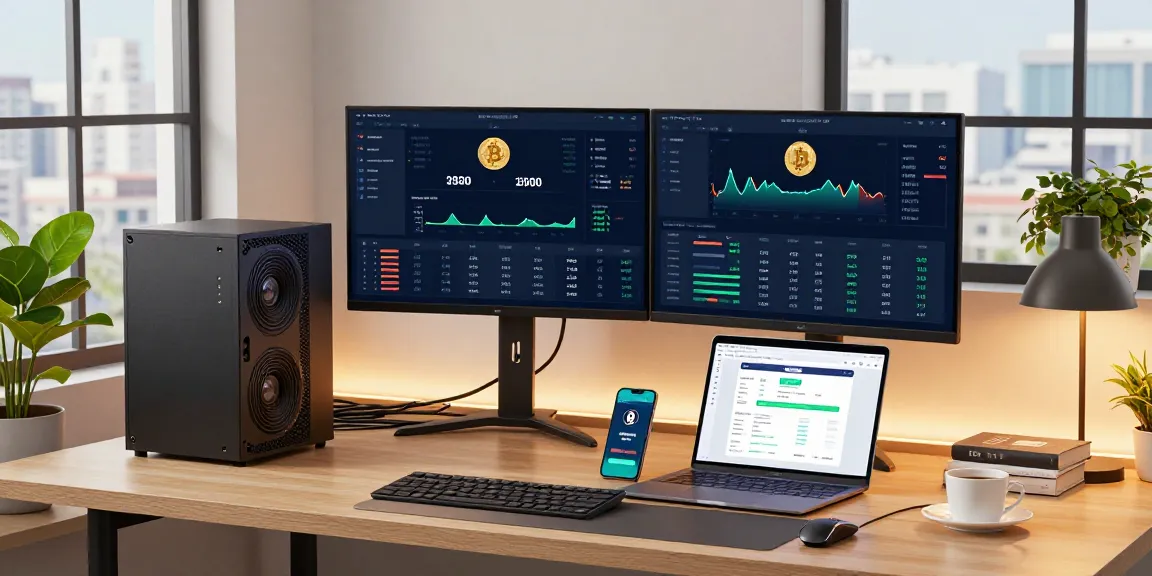
Understanding Bitcoin Mining
In the rapidly evolving landscape of blockchain technology, understanding the mechanics behind Bitcoin mining is crucial for both newcomers and seasoned investors. Bitcoin mining plays a significant role in maintaining and securing the Bitcoin network, functioning as both a transaction validation process and a method to introduce new bitcoins into circulation. Through this intricate process, miners contribute to the decentralization of the network while also earning rewards for their efforts. As we delve into the complexities of this system, we will explore various mining methodologies, technical metrics, and considerations for selecting an optimal bitcoin mining platform.
What is Bitcoin Mining?
Bitcoin mining is the process through which transactions are verified and added to the public ledger, known as the blockchain. This system relies on a consensus mechanism known as Proof of Work (PoW), whereby miners use computational power to solve complex mathematical problems that secure the network. By successfully solving these problems, miners create new blocks containing transaction data, which are then added to the existing blockchain. Each time a miner successfully mines a block, they are rewarded with newly minted bitcoins as well as transaction fees from users. This process incentivizes miners to continue investing in hardware and electricity, ultimately contributing to the security and stability of the Bitcoin network.
Mining Methods: Hardware vs. Cloud
When discussing Bitcoin mining, two primary methods come to the forefront: hardware mining and cloud mining. Hardware mining involves purchasing and maintaining physical mining equipment, such as ASIC (Application-Specific Integrated Circuit) miners, which are specifically designed for the PoW algorithm used by Bitcoin. This method requires significant upfront investment, rig maintenance, and ongoing electricity costs.
On the other hand, cloud mining allows individuals to rent hashing power from remote data centers. This option eliminates the need for personal hardware management and often provides a more accessible entry point for newbies. However, it is essential to conduct thorough research on cloud mining platforms to ensure legitimacy and avoid scams.
Understanding Hash Rates and Difficulty
The hash rate refers to the speed at which a miner can perform calculations and is measured in hashes per second (H/s). A higher hash rate indicates a greater likelihood of successfully mining a block and earning rewards. However, as more miners join the network and the total hash rate increases, the difficulty of mining also rises. This difficulty adjustment happens approximately every two weeks and ensures that blocks are created roughly every ten minutes, maintaining a consistent block generation rate despite fluctuations in global mining activity.
Choosing the Right Bitcoin Mining Platform
Selecting a suitable Bitcoin mining platform is essential for ensuring successful mining operations. It’s imperative to consider several factors, including fees, reputation, payout structures, and the length of contracts offered. Miners should thoroughly evaluate their needs and level of commitment before investing in any platform.
Top Features of Mining Platforms
Some of the key features to consider when evaluating a Bitcoin mining platform include:
- User-Friendly Interface: The platform should provide a straightforward, easy-to-navigate interface that allows users to monitor their mining equipment and performance.
- Transparent Fee Structure: Look for platforms that clearly outline any associated fees, whether they are based on a percentage of earnings or flat rate costs.
- Secure Payment Options: Evaluate the security measures employed by the platform, including the availability of two-factor authentication (2FA) and withdrawal protocols.
- Access to Customer Support: Reliable customer support can significantly enhance the user experience, especially during technical issues or queries.
Comparative Analysis of Popular Mining Platforms
Several well-established Bitcoin mining platforms stand out within the industry. Notable options include:
- Compass Mining: This platform aims to democratize access to Bitcoin mining by connecting users with mining rigs located in data centers around the world, offering flexibility and transparency.
- Bitdeer: Known for its user-friendly interface and various subscription plans, Bitdeer allows users to start mining without the need for heavy initial investment in hardware.
- Hashing24: This cloud mining service offers users the chance to mine Bitcoin without the need for hardware. Users can choose from various contracts with different durations and output rates.
User Experiences and Reviews
Potential miners should research user experiences and feedback before committing to any Bitcoin mining platform. Online reviews and community forums can provide valuable insights into the legitimacy and performance of different services. Ideally, choose platforms that have a track record of reliable payouts and strong customer service.
Optimizing Your Mining Operations
To maximize profitability in Bitcoin mining, it’s essential to approach your operation with strategic planning and management. Below are some optimization techniques miners can implement.
Strategies for Maximizing Profitability
- Choose Efficient Hardware: Investing in high-performance mining rigs will significantly enhance your hashing power and increase profit potential.
- Monitor Electricity Costs: Since mining requires substantial electrical power, make energy-efficient hardware choices and consider mining in locations where electricity costs are lower.
- Form Mining Pools: Joining a mining pool can help spread risk and increase the chance of earning consistent rewards, as members collaborate resources.
Managing Costs: Electricity and Maintenance
Electricity and hardware maintenance can greatly affect mining profits. It’s crucial to track energy consumption against your earnings—many miners utilize profitability calculators to ensure their operations remain financially viable. Additionally, regular maintenance of mining hardware can prevent costly downtimes due to equipment failure.
Environmental Impact and Sustainable Mining Practices
The environmental impact of Bitcoin mining continues to be a hot-button issue within the industry. Because mining is energy-intensive, many experts advocate for the adoption of renewable energy sources, such as solar or wind, to reduce the overall carbon footprint of mining operations. As consumer awareness around sustainability grows, miners adopting green practices could gain a competitive edge.
Security Best Practices for Miners
Ensuring the security of your mining operation is paramount to protecting your investments and earning potential. By following best practices, you can minimize exposure to risks and potential losses.
Protecting Your Mining Setup
Implementing physical and digital security measures can help safeguard your mining setup against theft or hacking attempts. This includes securing your mining rigs in enclosed spaces and using software firewalls or VPNs to protect against online threats.
Common Scams and Risks in Mining
With the rise of cloud mining, new scams have emerged targeting unsuspecting investors. Be on the lookout for promises of quick returns or platforms that lack transparency. Always conduct thorough research on potential mining platforms before investing.
Best Practices for Private Key Management
Mining operations often involve wallet management. Properly securing your private keys is crucial; consider using hardware wallets for long-term storage and implementing two-factor authentication for added security.
The Future of Bitcoin Mining in 2026
As technology evolves, so too will the landscape of Bitcoin mining. The coming years are likely to bring innovations and changes that will shape how miners operate and earn rewards.
Emerging Technologies and Trends
Increased interest in sustainable mining could drive innovations that focus on energy efficiency and environmentally-friendly practices. Additionally, the rise of layer-2 solutions and alternative consensus mechanisms might alter the dynamics of how Bitcoin and other cryptocurrencies are mined.
Regulatory Changes Impacting Mining
The regulatory landscape affecting Bitcoin mining is continuously changing. In 2026, legislation surrounding cryptocurrency mining and environmental impact regulations will likely tighten, compelling miners to adapt their operations to comply with new laws.
Community Insights: Collaborations and Decentralization
As communities rally for decentralization, collaborative efforts among miners, developers, and users could spur advancements in mining technology and strategies that stress community governance and shared resources. This type of community-driven approach can enhance the resilience of the Bitcoin network.
FAQs
How does Bitcoin mining actually work?
Bitcoin mining works as a verification process for transactions that occur on the Bitcoin network. Miners use computational power to solve cryptographic puzzles, adding verified transactions to the blockchain while being rewarded with bitcoins.
What are the best strategies for selecting a mining platform?
Look for platforms that offer transparency, a user-friendly interface, competitive fees, solid reputations, and reliable customer support. Reading user reviews and assessing your personal mining goals can also help in making an informed choice.
Are there any legal considerations for mining Bitcoin?
Yes, miners must adhere to local regulations, which can vary significantly across regions. Understanding your obligations regarding taxes, licensing, and operational compliance is crucial for mitigating legal risks in the mining industry.
What security measures should I take when mining?
Ensure you implement robust security measures, including private key management, secure wallets, and possible insurance options for hardware. Regularly educating yourself about potential scams and technological developments will also bolster security efforts.
What are the risks associated with cloud mining?
Cloud mining can present risks such as lack of transparency, potential scams, the volatility of payouts, and the over-reliance on third-party providers. Always perform due diligence before committing to any cloud mining service.