
Understanding Aluminum Prototypes
What are Aluminum Prototypes?
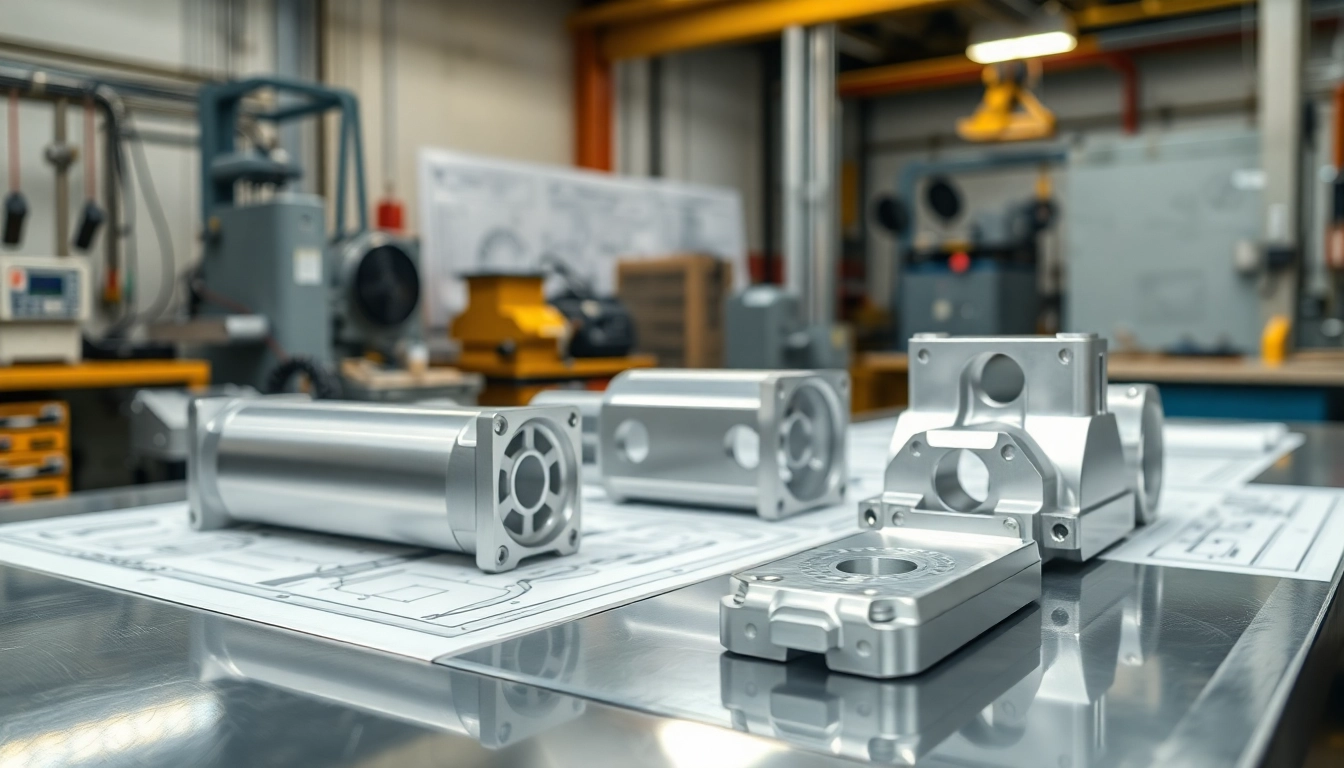
Aluminum prototypes are pre-production models created using aluminum materials for various applications across industries. These prototypes serve as tangible representations of designs, allowing engineers, designers, and manufacturers to test functionalities, aesthetics, and performance before mass production. By using aluminum prototypes, teams can identify potential issues, make adjustments, and validate design concepts, significantly reducing risks and costs associated with full-scale production.
The Benefits of Choosing Aluminum for Prototypes
Choosing aluminum for prototyping offers several advantages:
- Lightweight yet Strong: Aluminum has an excellent strength-to-weight ratio, making it an ideal choice for applications where reducing weight without sacrificing strength is crucial.
- Corrosion Resistance: Aluminum naturally forms a protective oxide layer that safeguards against corrosion, hence enhancing the longevity of prototypes.
- Machinability: Aluminum is highly machinable, allowing for rapid prototyping and the ability to create complex geometries with precision.
- Cost-Effectiveness: Although the initial costs may be higher than plastics, the durability and strength of aluminum can lead to cost savings over time through reduced replacement and repair needs.
Common Applications of Aluminum Prototypes
Aluminum prototypes are widely used across various domains:
- Aerospace: In aerospace applications, aluminum prototypes are used for components such as airframes, brackets, and structural parts due to their lightweight and strength properties.
- Automotive: The automotive industry utilizes aluminum prototypes for parts like engine components, chassis, and trim pieces, optimizing performance and fuel efficiency.
- Consumer Electronics: Many consumer electronic devices feature aluminum housings and components, where prototypes help validate design ergonomics and aesthetics.
- Medical Devices: Aluminum’s biocompatibility and hygiene make it suitable for prototypes used in medical devices, ensuring safety and functionality.
Manufacturing Processes for Aluminum Prototypes
CNC Machining Techniques
CNC (Computer Numerical Control) machining is one of the most common methods for producing aluminum prototypes. This highly automated process involves the use of computer software to control machining tools precisely.
Benefits of CNC machining for aluminum prototypes include:
- Precision: CNC machining allows for tight tolerances and intricate designs, making it suitable for products that require high precision.
- Efficiency: The automation speeds up production processes, reducing the time needed to create prototypes compared to manual machining.
- Consistency: Every prototype produced is identical, ensuring uniformity which is critical for performance testing.
3D Printing and Rapid Prototyping
3D printing technology has revolutionized the prototyping process, especially for aluminum-based products. While traditional methods are highly effective, 3D printing offers unique advantages:
- Speed: 3D printing can produce prototypes in significantly less time, allowing faster iteration cycles and design adjustments.
- Complex Geometries: This method enables the creation of complex shapes and lightweight designs that would be difficult or impossible with traditional machining methods.
- Cost Savings: For low-volume production or one-off prototypes, 3D printing can be more economical, reducing material waste and labor costs.
Cast vs. Machined Aluminum Prototypes
The choice between cast and machined aluminum prototypes depends on various factors, including part geometry, volume, and budget:
- Cast Aluminum Prototypes: Ideal for large, complex parts with less stress and strain, casting often requires significant initial setup costs but can be cost-effective for high-volume runs.
- Machined Aluminum Prototypes: Better suited for parts that require precise dimensions and superior mechanical properties. Machining is typically more flexible for low to medium production runs.
Choosing the Right Aluminum Alloy
Popular Aluminum Alloys for Prototyping
Several aluminum alloys are commonly used for prototyping, including:
- 6061 Aluminum: Known for its excellent corrosion resistance and moderate strength, it is a popular choice for structural applications.
- 7075 Aluminum: This alloy boasts high strength and is favored in aerospace applications where performance is critical.
- 5083 Aluminum: Known for its high resistance to corrosion, especially in marine environments.
Factors to Consider When Selecting Alloys
When selecting an aluminum alloy for your prototype, consider the following:
- Mechanical Properties: Evaluate strength, ductility, and toughness required for the application.
- Corrosion Resistance: Depending on the environment of use, some alloys will perform better than others.
- Machinability: Some aluminum alloys are easier to machine than others, impacting production efficiency.
Performance Comparison of Various Alloys
Aluminum alloys vary significantly in their properties. For instance:
- 6061 vs. 7075: While 7075 aluminum offers superior strength, 6061 is easier to weld and work with, making it a more versatile choice for most applications.
- 5083 vs. 6061: 5083 is preferred in scenarios requiring high corrosion resistance, especially marine environments, while 6061 is better for structural integrity.
Best Practices for Designing Aluminum Prototypes
Design Considerations and Limitations
When designing aluminum prototypes, it’s vital to consider the following:
- Material Thickness: Aluminum can warp during machining if not designed with adequate thickness.
- Curvature and Radii: Sharp corners should be avoided; instead, use fillets to enhance durability and ease machining.
- Weight Distribution: To lower costs and improve performance, thickness should be uniform unless specific areas require added strength.
Using CAD Software for Prototyping
Computer-Aided Design (CAD) software is essential in modern prototyping. Benefits include:
- Visualization: CAD allows for 3D models, helping teams visualize the final product early in the design phase.
- Precision Design: CAD software enables incredibly precise designs that take into account manufacturing constraints.
- Simulation Tools: Many CAD programs offer simulation capabilities, allowing teams to test how designs will perform under different conditions.
Tips for Effective Communication with Manufacturers
Building strong communication channels with manufacturers is crucial for successful prototyping:
- Be Specific: Detail every aspect of your design, including dimensions, tolerances, and materials.
- Ask for Suggestions: Manufacturers can provide feedback on your design based on their capabilities and experience.
- Maintain Regular Contact: Keep lines of communication open throughout the production process to address any issues that may arise.
FAQs about Aluminum Prototypes
How long does it take to produce aluminum prototypes?
The production time for aluminum prototypes varies based on complexity but typically ranges from a few days to a couple of weeks.
Are aluminum prototypes more expensive than plastic?
While aluminum prototypes can be more costly due to material and machining expenses, their durability and precision often justify the investment.
What industries use aluminum prototypes?
Aluminum prototypes are essential in industries such as aerospace, automotive, and consumer electronics, leveraging their strength and lightweight properties.
Is CNC machining suitable for all aluminum prototypes?
CNC machining is effective for producing intricate designs and precise dimensions, making it ideal for most aluminum prototype projects.
Can aluminum prototypes be reused?
Although often designed for a single use, aluminum prototypes can sometimes be repurposed or modified for different applications.