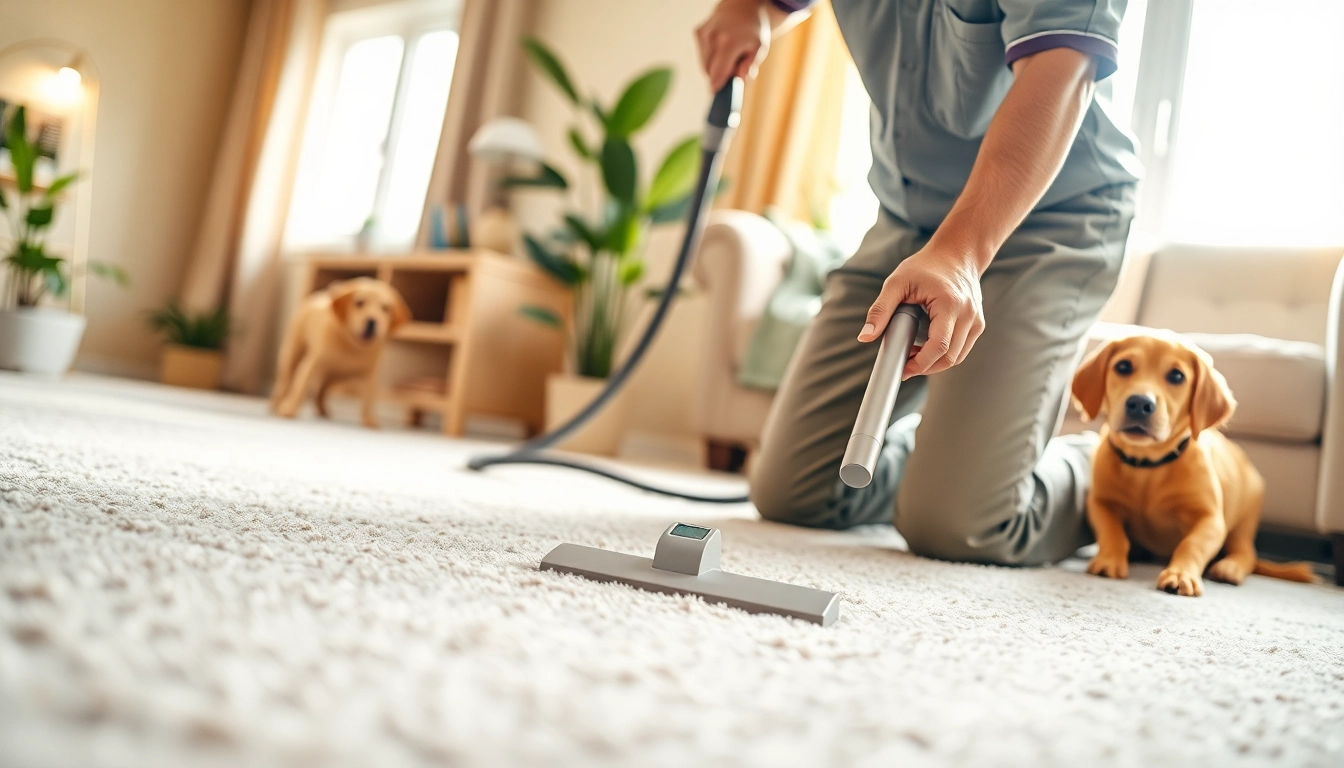
Understanding Pet Odor Carpet Cleaning
Having pets can bring joy and companionship; however, they can also leave behind unpleasant odors, particularly in carpets. Understanding how to address these odors effectively is crucial for maintaining a clean and fresh home environment. Pet odor carpet cleaning is not just about removing stains, but also tackling the sources of these odors to ensure lasting freshness.
What Causes Pet Odors in Carpets?
Pet odors in carpets often stem from urine, feces, vomit, or even the natural oils from their skin and fur. When these substances seep into the carpet fibers, they can be difficult to remove if not treated promptly. For example, urine can penetrate deep into the padding beneath a carpet, leading to persistent odors even after surface cleaning.
The Impact of Pet Odors on Indoor Air Quality
Beyond just being unpleasant, pet odors can significantly impact indoor air quality. Volatile Organic Compounds (VOCs) released by decaying organic matter can exacerbate allergies and respiratory issues for sensitive individuals. Regularly cleaning carpets is essential not only for comfort but also for health, ensuring that air quality remains at an acceptable level in your home.
Benefits of Professional Carpet Cleaning
While DIY methods are available, professional carpet cleaning is often the most effective option for eliminating stubborn pet odors. Trained technicians use specialized equipment and techniques that penetrate deeper than typical home cleaning methods. Additionally, they can apply treatments that neutralize odors at the source, offering a thorough clean that lasts longer.
Supplies Needed for Pet Odor Carpet Cleaning
Essential Cleaning Tools and Equipment
Before starting any cleaning process, gather necessary supplies to ensure efficiency. Essential tools include:
- Vacuum cleaner with a HEPA filter
- Enzymatic cleaners designed for pet stains
- Stain removal brushes
- Microfiber cloths or towels
- Carpet extractor or steam cleaner
Natural Ingredients for Homemade Solutions
If you prefer a more eco-friendly approach, consider using natural ingredients. Common household items like baking soda, vinegar, and hydrogen peroxide can effectively neutralize pet odors. A blend of vinegar and water, for example, acts as a natural deodorizer, while baking soda absorbs odors and moisture.
Commercial Cleaners: Benefits and Considerations
Commercial carpet cleaners are formulated for efficiency, often containing enzymes that break down odor-causing elements. While effective, it’s essential to check for pet-safe indicators, as some chemicals can be harsh. Always follow the manufacturer's instructions to avoid damaging your carpet or harming your pets.
Step-by-Step Guide to Pet Odor Carpet Cleaning
How to Prepare Your Home for Cleaning
Preparation is crucial for effective carpet cleaning. Start by removing furniture and any items from the carpet area. Vacuum thoroughly to eliminate loose debris, hair, and dirt. This step also helps identify any heavily soiled areas that may need extra attention during the cleaning process.
Techniques for Effective Spot Cleaning
When addressing specific stains, immediate action is paramount. Blot the area with a clean cloth to absorb as much liquid as possible before applying a cleaning solution. Use an enzymatic cleaner for pet stains, allowing it to sit for the recommended time to break down the odor-causing substances. Rinse with water and blot again to remove excess moisture.
How to Deep Clean Your Carpets
For a complete carpet overhaul, deep cleaning is recommended every 6-12 months. Use a steam cleaner, as the heat helps eliminate bacteria and odors. Follow the manufacturer's directions carefully, applying the cleaning solution evenly across the carpet. Ensure proper drying to prevent new odors from developing—using fans or dehumidifiers can aid this process.
Preventing Future Pet Odors in Carpets
Advice on Training Pets for Better Behavior
Preventing accidents is the first step in minimizing odor problems. Proper training can significantly reduce incidents of soiling. Employ positive reinforcement techniques to encourage outside bathroom habits. Regular walks and providing designated areas for play can also keep your pet’s activities on track, minimizing accidents indoors.
Regular Maintenance Tips for Carpet Care
To keep carpets smelling fresh in the long term, regular maintenance is key. Vacuum at least once a week, focusing on areas where pets frequent. Consider investing in a pet-friendly carpet that resists stains and odors. Spot cleaning as soon as incidents occur will also prevent odors from embedding into the carpet fibers.
Using Air Fresheners and Deodorizers Effectively
While air fresheners can mask odors, they won't eliminate the source. Instead, consider using enzymatic air fresheners that target the underlying causes of odors. Ensure proper ventilation in your home and consider placing air purifiers or dehumidifiers to help eliminate odors and improve overall air quality.
Frequently Asked Questions about Pet Odor Carpet Cleaning
What is the best method for cleaning pet odors from carpets?
The best approach includes using enzymatic cleaners that neutralize odors and stains effectively.
How often should I clean my carpets if I have pets?
It's advisable to clean your carpets at least once every 6-12 months, depending on the pet's activity.
Can I use vinegar for pet odor carpet cleaning?
Yes, vinegar is a natural deodorizer that can help remove pet odors when mixed with water.
Is professional carpet cleaning worth the investment?
Yes, professional cleaning can provide thorough results that are difficult to achieve with DIY methods.
How can I avoid pet odors from returning?
Regular vacuuming, using pet-friendly products, and ensuring proper ventilation can help prevent odors from recurring.