
Understanding Wedding Rings and Their Significance
Wedding rings are more than just pieces of jewelry; they encapsulate a couple’s love, commitment, and shared future. Across cultures and throughout history, they have signified a bond that transcends mere romantic affection. The choices surrounding wedding rings—from their material composition to design—carry deep cultural and personal meanings. They are often intertwined with traditions and present in various forms, reflecting individual stories and unique preferences. In this context, wedding rings become a canvas for self-expression and a cherished symbol of unity.
Historical Context of Wedding Rings
The history of wedding rings can be traced back to ancient civilizations, where they were used to symbolize ownership and commitment. The ancient Egyptians were among the first to exchange rings as a sign of fidelity, believing that a circular band signified eternal love. This tradition was later adopted by the Romans, who used gold and other precious metals to create these tokens of affection. Over time, wedding rings evolved, moving from simple bands to intricate designs embedded with gemstones, reflecting shifts in cultural values and technological advancements. Understanding this historical context enriches the meaning of today’s wedding rings, making them a significant part of marital ceremonies around the world.
Cultural Variations in Ring Choosing
Cultural backgrounds significantly influence the choice of wedding rings. In Western cultures, diamond engagement rings paired with matching wedding bands have become a staple. Conversely, in countries like India, traditional wedding rings may feature intricate designs and specific gemstones that carry cultural significance. In many cultures, wedding rings are worn on the right hand, while in others, the left hand is preferred. The fusion of Western and Eastern styles can lead to unique designs that honor both traditions. Couples today are increasingly opting for rings that represent their heritage and personal stories, making the selection process even more meaningful.
The Symbolism Behind Wedding Rings
Wedding rings symbolize more than just marital status; they carry profound meanings of love, trust, and loyalty. The circular shape of the ring represents eternity, as it has no beginning or end. When exchanged during wedding ceremonies, they serve as binding pledges of life-long commitment between partners. Additionally, the choice of materials and designs can reflect personal stories or values—whether it be an ethically sourced stone or a handcrafted ring made from recycled materials. This personalized touch imbues the rings with deeper significance, making them cherished possessions for years to come.
Types of Wedding Rings Available
Popular Styles of Wedding Rings
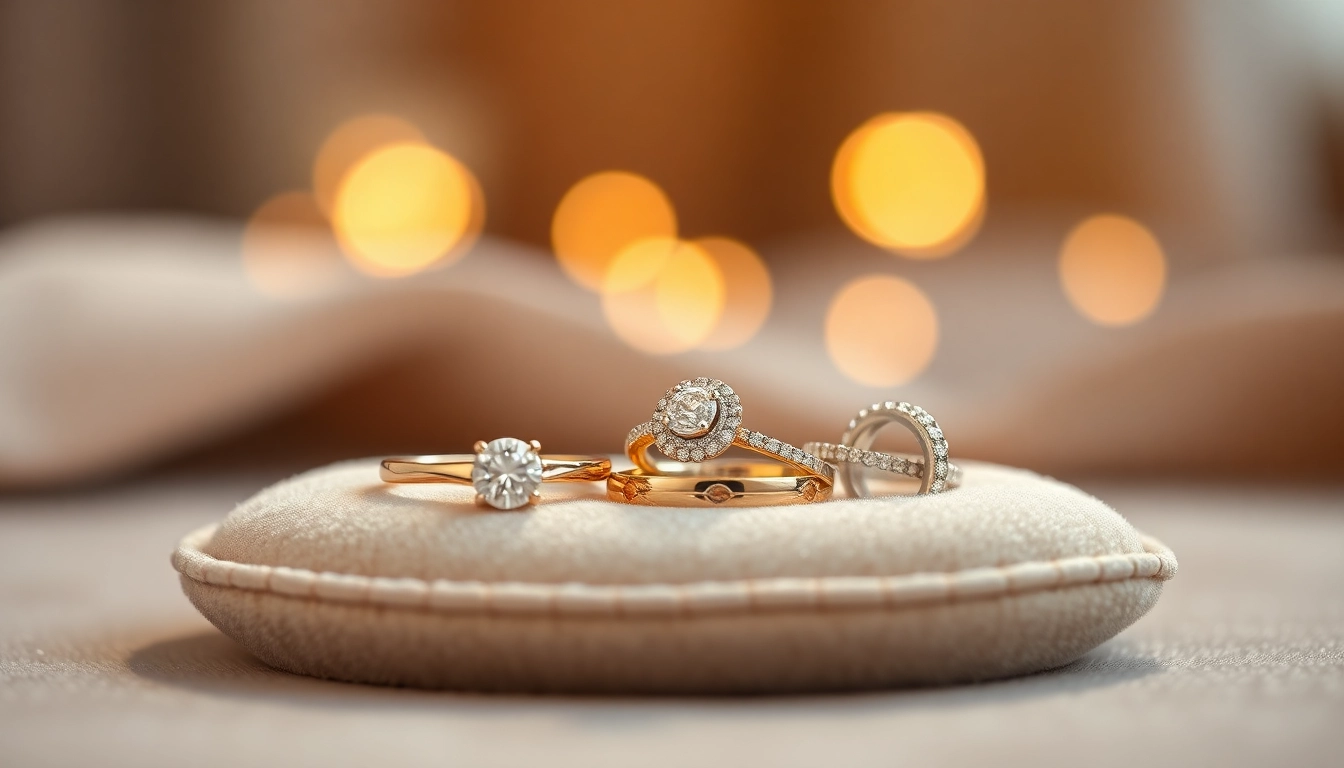
The landscape of wedding rings has diversified tremendously, offering a plethora of styles that cater to varying tastes and preferences. Classic designs such as the solitaire band, often adorned with a single diamond, continue to be popular due to their timeless elegance. Alternatively, those seeking something more contemporary may prefer styles like the three-stone ring, signifying the past, present, and future of the couple’s love. Other options include eternity bands, which are circled by diamonds or gemstones, reflecting the endless nature of love. Custom designs are also becoming increasingly popular, allowing couples to incorporate personal symbols, birthstones, or family heirlooms into their wedding rings.
Choosing Between Traditional and Modern Designs
When selecting a wedding ring, couples face the decision of choosing between traditional and modern designs. Traditional designs often prioritize classic aesthetics and materials, favoring understated elegance. Conversely, modern designs embrace boldness, utilizing unconventional shapes, mixed metals, and vibrant gemstones. When making a decision, couples should consider their personal styles, lifestyles, and future compatibility. A modern design may resonate more if both partners are non-traditional, while a classic ring may feel more appropriate in a traditional family setting. Ultimately, the choice should reflect both partners’ identities, making it a meaningful representation of their relationship.
Matching Your Wedding Ring with Your Partner’s
Many couples find joy in complementing each other’s wedding rings, creating a cohesive look that symbolizes their unity. While some prefer rings that share similar styles or materials, others opt for entirely unique designs that reflect their personal identities. When coordinating wedding rings, consider factors such as provenance (matching stones or metals), design elements (like engravings or patterns), and overall aesthetic (minimalist vs. ornate). It’s also essential for both partners to feel comfortable with their choices, ensuring the rings they wear daily resonate with their individual styles and values.
Materials and Gemstones for Wedding Rings
Common Metals Used in Wedding Rings
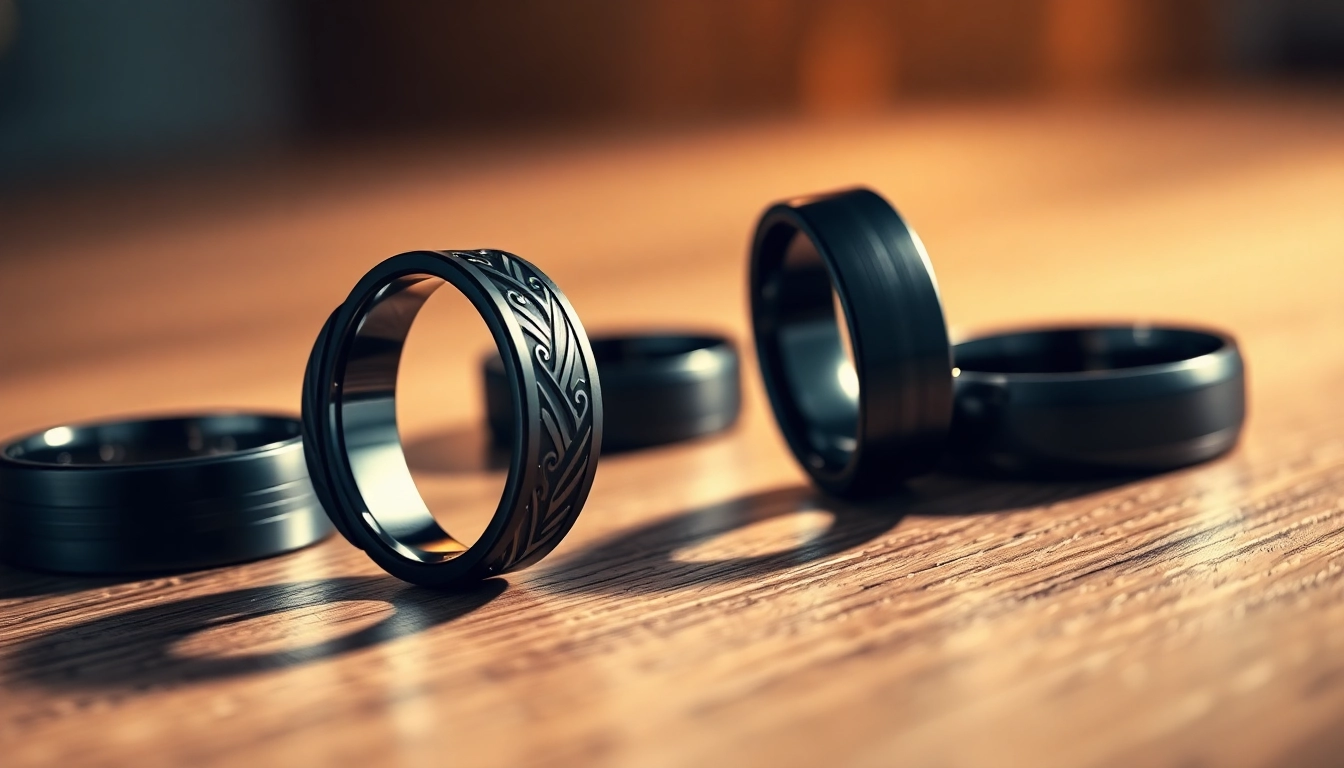
The choice of metal is critical in the construction of wedding rings, impacting both appearance and durability. Traditional options include yellow gold, white gold, and platinum. Yellow gold imparts a classic feel, while white gold provides a modern aesthetic. Platinum is known for its durability and hypoallergenic properties, making it suitable for those with sensitive skin. Emerging trends include alternative metals like titanium and tungsten, praised for their resilience and unique looks. When selecting a metal, consider factors such as lifestyle, skin sensitivity, and personal preferences for color and finish.
Choosing the Right Stone for Your Wedding Ring
Choosing a gemstone for a wedding ring can be an exciting yet overwhelming decision. Diamonds are traditionally favored due to their hardness and symbolism of eternity, but increasingly, couples are exploring alternative stones such as sapphires, rubies, and emeralds for a more personalized touch. When selecting a stone, consider the gemstone’s durability, as it should withstand daily wear; for instance, sapphires and diamonds score high on the Mohs scale of hardness. Understanding the stone’s meanings and impact will empower couples to select a gemstone that resonates with their journey, enhancing the ring’s sentimentality.
Durability vs. Aesthetics: Finding Balance
Finding the perfect balance between durability and aesthetics is essential when selecting wedding rings. While many couples desire a ring that showcases beauty and elegance, it should also endure everyday wear and tear. For example, softer stones like opals or pearls may offer stunning visuals but lack the resilience necessary for daily use. Moreover, certain metals such as gold may scratch over time, while platinum maintains its look due to its density. Ultimately, it is crucial for couples to consider their lifestyles, preferences for maintenance, and the long-term wearability of materials and stones before making a final selection.
Budgeting for Your Wedding Rings
Setting a Realistic Budget
Establishing a realistic budget for wedding rings is a fundamental step in the purchasing process. Consider factors such as personal finances, the desire for quality, and emotional significance. Many believe in the “two-month salary rule,” suggesting that a couple should spend two months’ worth of income on an engagement ring; however, this is not a steadfast rule. Couples should instead focus on what they can responsibly afford without compromising their financial stability. Discussing the budget openly ensures that both partners can make informed decisions without financial strain, resulting in meaningful purchases.
Where to Find Affordable Options
Finding affordable wedding ring options can be achieved through various avenues. Online retailers often provide competitive prices, while local jewelers can offer personalized consultations and custom designs at affordable rates. Additionally, exploring alternative venues like estate sales or artisan markets can reveal unique rings at lower prices. Consider purchasing from wholesalers or directly from manufacturers to reduce markups. Ultimately, the best options balance affordability with quality, ensuring each partner feels satisfied with their purchase while staying within budget constraints.
Paying Attention to Quality Over Cost
When it comes to wedding rings, prioritize quality over cost. A well-crafted ring can withstand the test of time, while poorer quality options may require premature replacement or repairs. Examine the craftsmanship, warranty, and return policy before making a decision. For gemstones, familiarize yourself with terminology such as the Four Cs (cut, clarity, color, and carat) to ensure you’re making a wise investment. Utilizing a trusted jeweler who offers quality assurance can also provide peace of mind, reinforcing the ring’s emotional and financial value for years to come.
Maintaining and Caring for Wedding Rings
Professional Cleaning Services
Regular maintenance ensures that wedding rings remain stunning and retain their value. Professional cleaning services provided by jewelers can effectively eliminate dirt and tarnish, restoring brilliance to the ring. Most jewelers recommend periodic cleanings every six months to a year, depending on design complexity and wear. Additionally, jewelers inspect settings to ensure stones remain secure, addressing any potential issues early. Engaging professional services allows couples to experience their wedding rings’ original luster while preserving heirloom qualities for future generations.
Home Care Tips for Wedding Rings
Caring for wedding rings at home involves simple yet effective practices. To maintain cleanliness, gently rinse rings under warm water and use a soft-bristled toothbrush to scrub away grime. Avoid exposing rings to harsh chemicals or abrasive cleansers that can cause damage. For storage, use a designated ring box lined with fabric to avoid scratches and entanglements. Removing rings during strenuous activities—such as exercising or gardening—can also prevent potential damages, ensuring they remain as beautiful as the day they were exchanged.
When to Seek Repairs for Your Wedding Ring
Understanding when to seek repairs for wedding rings is vital in maintaining their integrity. Signs such as loose stones, scratches, or changes in metal color indicate the need for professional assessment. If any component appears worn or damaged, address concerns promptly to avoid further issues. For rings with sentimental value, consider annual check-ups with a professional jeweler, ensuring the ring’s condition remains optimal. Timely interventions preserve the ring’s beauty and meaning, allowing couples to cherish their symbol of love for eternity.
Frequently Asked Questions About Wedding Rings
What is the best metal for wedding rings?
The best metal for wedding rings often depends on personal preference and lifestyle. Platinum is durable and hypoallergenic, making it an excellent choice for many couples, while gold offers a classic aesthetic. Consider lifestyle and skin sensitivities when selecting.
How do I choose the right size for a wedding ring?
To determine the right size for a wedding ring, measure at the end of the day when fingers are warm and swollen. Visit a local jeweler or use a ring sizing chart at home for the most accurate fit.
Can I customize my wedding ring?
Yes! Many jewelers offer customization services, allowing couples to select materials, designs, and engravings that reflect their unique stories and styles.
How should I clean my wedding ring at home?
To clean your wedding ring at home, use warm water, a few drops of mild dish soap, and a soft-bristled toothbrush to gently scrub dirt. Rinse thoroughly and pat dry with a soft cloth.
What if my wedding ring needs repairs?
If your wedding ring needs repairs, consult a trusted jeweler immediately. Signs include loose stones, scratches, or visible damage. Seeking timely repairs ensures the ring stays secure and beautiful.