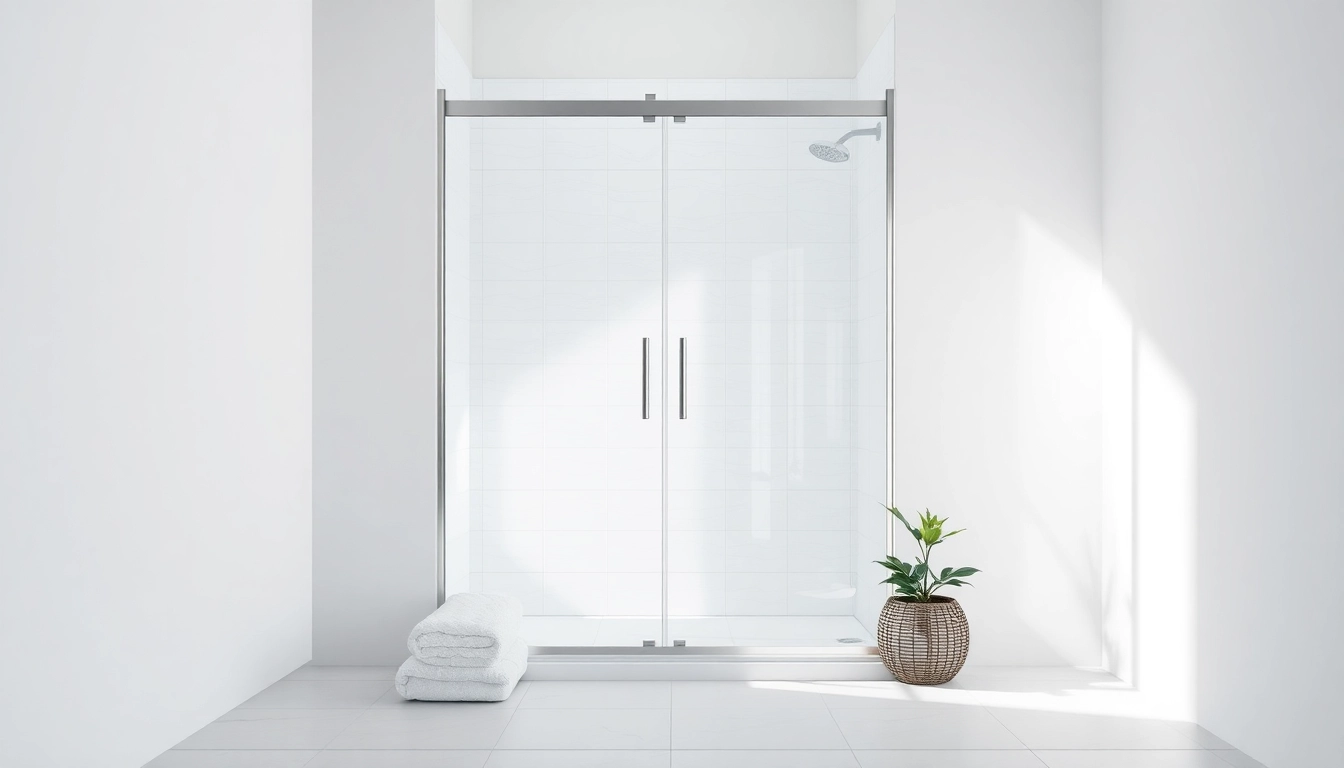


Understanding Different Shower Types in the UK
When it comes to choosing a new shower for your bathroom, understanding the variety of options available is crucial. The shower uk landscape is vast and diverse, catering to different needs, preferences, and budgets. In this section, we will delve into the most popular types of showers found in the UK, examining their functionalities and unique attributes.
Electric Showers: Convenience and Versatility
Electric showers are particularly popular in the UK due to their practical design and ease of installation. These showers don’t rely on a hot water tank; instead, they heat water on demand, delivering a consistent flow of hot water.
One of the primary benefits of electric showers is their efficiency. They are especially advantageous for households with low hot water pressure or limited space. Additionally, electric showers often feature adjustable temperature controls, providing users with greater control over their shower experience.
Installation is usually straightforward, relying on a cold water supply. This makes them an ideal choice for retrofitting in existing properties without major plumbing modifications. However, it’s essential to ensure that your electrical system can support the power demands of the shower.
Mixer Showers: Blending Functionality and Style
Mixer showers combine hot and cold water feeds to provide a consistent temperature, which is set through a single control. These showers are highly flexible and can be installed with various outlets, including showerheads and handheld options.
The aesthetic appeal of mixer showers is another reason for their popularity. With a wide range of styles available, they can complement almost any bathroom decor, from modern to traditional. Moreover, they tend to offer a more powerful flow compared to electric showers, as they use your home’s existing hot water supply.
Another consideration is that mixer showers may struggle with effectiveness in low water pressure scenarios; thus, it may not be suitable for every home. Ensuring proper installation and compatibility with your plumbing system is imperative.
Digital Showers: The Future of Showering
Digital showers represent a significant advancement in shower technology, incorporating innovative designs and smart controls. Typically controlled via a digital interface, they allow users to easily set their desired temperature and flow rate, often programmable to suit different preferences.
One of the standout features of digital showers is their ability to integrate with smart home systems. This means you can control your shower using your smartphone or voice-activated devices, enhancing accessibility and convenience.
Although they usually come with a higher initial cost, digital showers are often seen as a long-term investment due to their efficiency and user-friendly features.
Essential Features to Consider When Choosing a Shower UK
Selecting the right shower involves more than just preference; certain practical features can greatly influence your satisfaction and utility. Below, we discuss essential factors to keep in mind.
Water Pressure and Flow Rate
Before choosing a shower, it is crucial to evaluate your home’s water pressure. As noted, different shower types perform better under varying conditions of water pressure. For instance, electric showers can work effectively at lower pressures, while mixer showers may require a robust supply of water to function optimally.
The flow rate, measured in liters per minute (L/min), is another critical aspect. An average shower usually has a flow rate of 6 to 10 L/min; however, high-efficiency models can go as low as 5 L/min without compromising performance.
Energy Efficiency Ratings
With rising energy costs and increasing awareness of environmental impact, the efficiency of a shower is a vital consideration. Look for models that have good energy ratings. Electric showers, for example, are often rated highly due to their on-demand heating, which minimizes energy waste.
Furthermore, consider products with a “water-saving” mode. These features can help reduce water usage significantly, leading to lower bills and a smaller environmental footprint.
Installation Requirements and Guidelines
Understanding the installation requirements of your chosen shower type is essential to avoid unexpected challenges. Electric showers require a dedicated electrical circuit, which may necessitate professional installation. On the other hand, mixer and digital showers need appropriate plumbing and may require more space than electric systems. It’s advisable to consult with a qualified plumber or contractor to ensure compatibility and compliance with regulations.
Top Benefits of Upgrading Your Shower UK
Upgrading your shower can lead to numerous benefits beyond just improved aesthetics. Let’s explore some of these advantages in detail.
Enhancing Bathroom Aesthetics
A new shower can dramatically change the look and feel of your bathroom. Whether you prefer sleek and modern or classic designs, you can find models that elevate the overall aesthetic. Adding features such as frameless enclosures or unique tile work enhances visual appeal and comfort.
An upgraded shower can also increase the resale value of your home, as potential buyers often place significant emphasis on quality bathrooms in their purchase decisions.
Improving Water Usage Efficiency
Modern showers are designed with water efficiency in mind, employing technologies that reduce water flow without sacrificing performance. This not only conserves water but can also lead to substantial savings on utility bills. Ultimately, choosing water-efficient models can contribute to sustainable living.
Boosting Comfort with Modern Technology
The integration of technology in modern showers—such as thermostatic controls, smart features, and superior nozzles—ensures a more comfortable and enjoyable shower experience. Temperature stability, for instance, means no more sudden temperature fluctuations.
Moreover, the addition of features like rain showerheads can enhance relaxation, making each shower feel like a mini spa experience.
Cost Factors and Budgeting for Your Shower UK Installation
Cost is a crucial factor when considering a shower upgrade. Understanding the various costs involved can help you create a realistic budget and avoid potential financial surprises.
Average Pricing of Different Shower Types
The cost of showers can vary depending on type, features, and brand. Electric showers can typically range from £100 to £300, while mixer showers may vary between £100 and £600. Digital showers can start from around £300, with high-end models costing significantly more.
In addition to the initial costs, factor in installation fees, which can range from £150 to £500 or more, depending on the complexity of the job.
Hidden Costs to Watch Out For
When budgeting for your new shower, be aware of potential hidden costs, such as additional plumbing work, electrical upgrades for electric showers, and maintenance costs for high-tech models. Planning for these expenses ensures that your shower upgrade remains within your budget.
Financing Options and Warranties
Many retailers offer financing options for more expensive models, which can ease the burden of upfront costs. Additionally, it’s wise to consider products with good warranty coverage; it provides peace of mind regarding future repairs or part replacements.
FAQs About Showers in the UK
How do I maintain my shower for longevity?
Regularly clean your showerhead and fixtures to prevent mineral buildup, which can reduce flow. Also, check for leaks, and take care of any issues immediately to avoid damage.
What is the best type of shower for low water pressure?
Electric showers are an excellent choice for low water pressure systems, as they heat water on demand without relying on existing hot water supply pressure.
How do I select the right shower head?
Consider flow rate, spray patterns, and sustainability features. Rainfall or handheld options offer versatility, while water-efficient models help conserve resources.
What statistics should I consider regarding water usage?
Focus on flow rates (L/min) and efficiency ratings. High-efficiency models generally use less than 6 L/min without sacrificing pressure or comfort.
Can I install a shower myself or should I hire a professional?
While some showers, like electric models, may require professional installation due to plumbing and electrical work, simpler models can be suitable for DIYs if you have the appropriate skills.