Understanding Fly Fishing Combos
What is a Fly Fishing Combo?
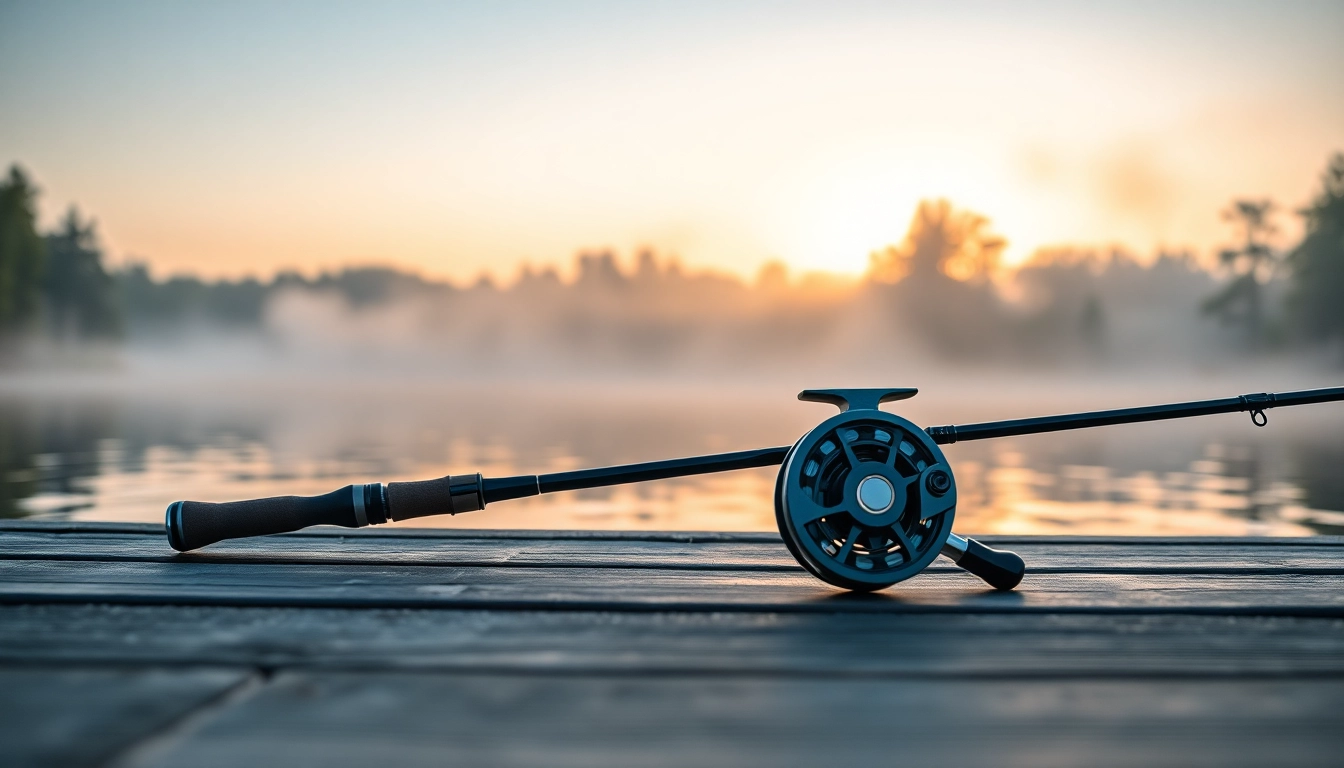
A fly fishing combo is a complete setup that typically includes a fly rod, reel, line, and sometimes additional accessories like backing and tapered leaders. It is designed to simplify the process for anglers, providing everything needed to start fly fishing in a single purchase. Whether you're a beginner or seasoned angler, the convenience of a Fly fishing combo allows for more time spent fishing and less time figuring out what equipment to buy.
Components of a Fly Fishing Combo
A standard fly fishing combo comprises several essential components:
- Fly Rod: The main tool used for casting. It comes in various lengths and weights suited for different fishing environments and species.
- Fly Reel: Holds the line and manages the drag when reeling in a fish.
- Fly Line: Thicker than traditional fishing line, it aids in casting and helps in controlling the fly’s presentation.
- Backing: A small diameter line that attaches to the reel and provides additional line storage and strength.
- Tapered Leader: Connects the fly line to the fly, ensuring a natural presentation.
- Flies: The artificial bait that mimics insects or other food sources for fish.
Benefits of Using a Fly Fishing Combo
Using a fly fishing combo offers several advantages:
- Convenience: All necessary components are bundled together, making it easier for anglers to choose the right gear.
- Cost-Effective: Purchasing a combo is generally cheaper than buying each component separately.
- Compatibility: Each piece is designed to work seamlessly together, which can be especially beneficial for beginners.
- Quality Assurance: Many combos are curated by experts to ensure that all components function well together.
Choosing the Right Fly Fishing Combo
Factors to Consider When Selecting
When selecting a fly fishing combo, consider the following factors:
- Skill Level: Beginners may want to opt for simpler, more forgiving setups, while advanced anglers might seek specialized gear.
- Fishing Environment: Different rods and reels are suited for freshwater versus saltwater fishing, and for targeting different species.
- Weight and Length: The weight of the fly rod and its length should match the type of fish you are targeting and the casting techniques you plan to use.
- Budget: While there are great low-cost options available, investing in quality gear may yield better performance and durability.
Best Options for Beginners
For those new to fly fishing, here are some recommended combos:
- 5/6 Weight Combos: Ideal for beginners, these weights handle a variety of freshwater species, making them versatile for trout fishing.
- Complete Starter Kits: Many packages come pre-spooled with lines and hand-selected flies, reducing the hassle for newcomers.
- User-Friendly Reels: Look for reels that provide smooth drag and ease of use, especially during brief learning curves.
Advanced Fly Fishing Combos
Advanced anglers typically seek combos that offer enhanced performance:
- Customizable Rods: Consider adjustable rods that can be fine-tuned for specific conditions.
- Specialized Reels: Focus on reels designed for specific tactics like nymphing or dry-fly fishing.
- Weight-Specific Lines: Different types of lines (floating, sinking, or hybrid) allow for targeted fishing strategies.
Fly Fishing Combo Maintenance Tips
Cleansing and Drying Your Gear
Proper maintenance extends the life of your fly fishing combo. After each use:
- Rinse Rod and Reel: Use fresh water to remove salt and contaminants, particularly if you've fished in saltwater.
- Dry Thoroughly: Store your gear in a cool, dry place. Avoid direct sunlight to prevent damage to materials.
Storage Best Practices
Storage plays a key role in preserving your gear:
- Rod Cases: Use protective tube cases for your rods to prevent breakage.
- Reel Protection: Consider using reel covers to guard against dust and debris.
- Organized Tackle Boxes: Ensure flies and accessories are stored in a way that prevents tangling and damage.
Equipment Upkeep Suggestions
Regular upkeep can prevent costly replacements:
- Inspect for Damage: Regularly check your rod and reel for wear and tear.
- Replace Fly Lines: Fly lines should be replaced every few years, or more often if heavily used.
- Clean Flies: Rinse flies after each use to prolong their effectiveness and durability.
Common Mistakes to Avoid
Overcomplicating Your Setup
Beginners often make the mistake of overcomplicating their gear. Less is more when starting—focus on mastering basic techniques with a simple setup.
Ignoring Local Conditions
Know your fishing location. Ignoring local conditions such as weather and water types can lead to frustration. Researching beforehand can yield better results.
Neglecting Proper Techniques
Bad habits can impede learning. Focus on mastering casting techniques and fly presentation before moving on to more advanced strategies.
FAQs About Fly Fishing Combos
What should a beginner look for in a fly fishing combo?
Beginners should seek a lightweight, versatile rod, an easy-to-use reel, and a complete kit that includes everything needed to start fishing.
Can a fly fishing combo be used in saltwater?
Yes, but ensure you choose a combo specifically designed for saltwater use, as freshwater gear may not withstand the conditions.
How do I know the right weight for my fly rod?
Choose a rod weight based on the type of fish you target. Lighter rods (3-5 weight) suit smaller fish, while heavier rods (6-10 weight) work for larger species.
What is the typical lifespan of a fly fishing combo?
With proper maintenance, a fly fishing combo can last many years. However, regular parts replacement may be necessary for optimal performance.
Are fly fishing combos customizable for advanced techniques?
Yes, many fly fishing combos allow for customization with different lines, leaders, and accessories tailored to various fishing techniques.