Understanding the Basics of Sports Broadcasting
What is Sports Broadcasting?
Sports broadcasting refers to the live or recorded transmission of sporting events through various media channels, including television, radio, and online platforms. This industry serves to deliver sports content to audiences worldwide, using captivating storytelling and real-time presentation to showcase the excitement of athletic competitions. A vital aspect of Sports Broadcasting is its ability to engage fans, provide analysis, and enhance the viewing experience.
History and Evolution of Sports Broadcasting
The origins of sports broadcasting can be traced back to the early 20th century, with radio being the first medium to bring sports events into homes. The first live broadcast of a sports event occurred in 1921 when a boxing match was transmitted across the airwaves. As technology advanced, television became the dominant medium in the 1950s, providing viewers with visual access to their favorite sports. The introduction of cable TV allowed for dedicated sports networks, significantly increasing the variety of content available. Recently, the rise of the internet and streaming services has transformed the landscape, enabling on-demand access to sports programming across multiple devices. Each innovation has enhanced viewer experience, accessibility, and engagement.
Key Roles in Sports Broadcasting
Within the realm of sports broadcasting, various roles contribute to delivering an engaging viewer experience. Key roles include:
- Play-by-Play Announcers: These individuals provide a real-time account of the event, describing actions as they unfold.
- Color Commentators: These experts offer insights, analysis, and background information, enriching the narrative of the broadcast.
- Producers: Responsible for the overall production, including organizing the broadcast, coordinating between different teams, and managing live events.
- Directors and Technical Crew: Ensure that the technical aspects of the broadcast run smoothly, including camera angles, audio levels, and graphics.
Essential Equipment for Sports Broadcasting
Cameras and Audio Gear
Cameras and audio equipment form the backbone of sports broadcasting. High-definition cameras capture the action, while additional cameras may be utilized for multiple angles, replay functions, and special features like slow motion. Meanwhile, professional audio gear, including microphones and sound mixers, ensures clear audio for commentary and crowd sounds. Utilizing advanced technology, such as drones and 360-degree cameras, enhances the viewer experience and provides unique perspectives of sporting events.
Broadcasting Software and Tools
Modern sports broadcasting relies heavily on sophisticated software tools for graphics, editing, and live streaming. Systems like broadcast automation software streamline the scheduling and management of content during live shows. Graphic design software is essential for creating engaging overlays, stats packages, and advertising. Moreover, live streaming platforms offer broadcasters greater flexibility to reach audiences on various devices, making the consumption of sports content more accessible than ever before.
Setting Up a Broadcast Studio
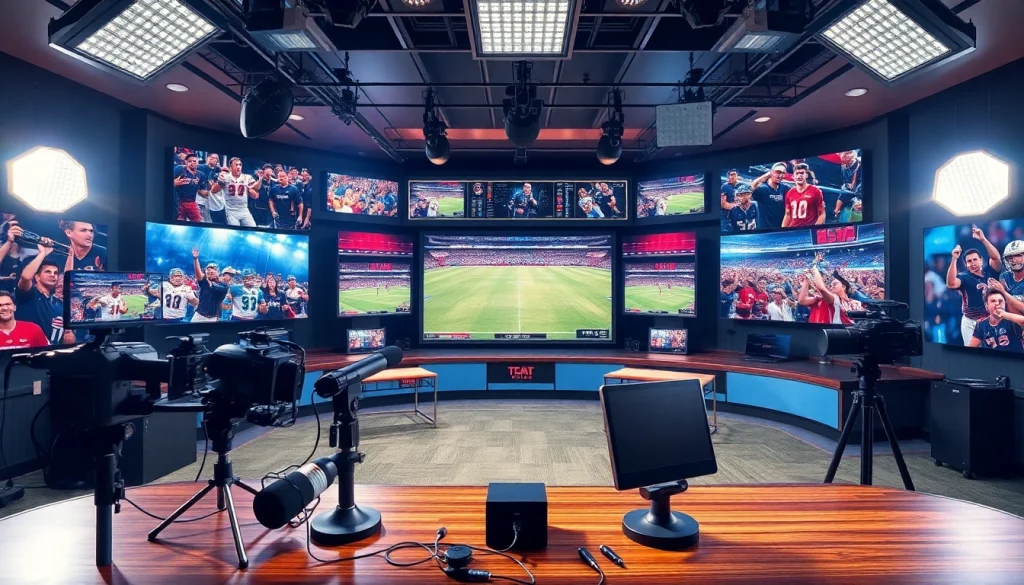
A well-designed broadcast studio is essential for producing high-quality sports content. Factors to consider when setting up a studio include:
- Location: Choose a strategic location with sufficient space for equipment and personnel.
- Lighting: Proper lighting is crucial for visual clarity and aesthetic appeal.
- Layout: Organize workstations to facilitate efficient communication between team members.
- Soundproofing: Minimizing outside noise ensures audio clarity during broadcasts.
Techniques for Effective Sports Commentary
Building a Narrative Around the Game
Successful sports commentary goes beyond just describing the action on the field; it involves creating a narrative that captivates the audience. Commentators must weave stories about players, teams, and rivalries into their broadcasts, providing context and emotional depth. Effective storytelling elicits an emotional response from viewers, fostering a connection that enhances engagement and makes the event memorable.
Incorporating Statistics and Data Analysis
Data is a pivotal element in modern sports broadcasts. Commentators can leverage statistics to provide deeper insights into player performance and team strategies. By understanding key metrics, broadcasters can contextualize plays and trends, allowing viewers to appreciate the nuances of the game. Additionally, real-time graphics showcasing live stats further enrich the viewing experience.
Engaging with Viewers Through Live Feedback
Interactive engagement with viewers enhances the broadcasting experience. Utilizing social media, broadcasters can encourage real-time feedback, questions, and comments from fans. This not only makes viewers feel involved but also allows broadcasters to tailor their commentary and content based on audience interest. Incorporating fan perspectives can add another layer of depth to the broadcast.
Current Trends in Sports Broadcasting
Impact of Streaming Platforms
The emergence of streaming platforms has reshaped the sports broadcasting landscape. Viewers now prefer personalized, on-demand content rather than traditional scheduled programming. Streaming services allow for greater flexibility, enabling fans to watch games on various devices from anywhere in the world. Live streaming has also opened opportunities for niche sports, creating a more inclusive broadcasting ecosystem.
Emerging Technologies in Broadcasting
Innovative technologies like augmented reality (AR) and virtual reality (VR) are beginning to make significant inroads into sports broadcasting. These technologies offer viewers immersive experiences, bringing them closer to the action. For example, AR can provide real-time statistics overlay during gameplay, while VR can simulate live experiences for fans unable to attend events in person. Such advancements have the potential to enhance viewer engagement exponentially.
Globalization of Sports Media
As sports continue to gain international popularity, broadcasting strategies are adapting to a global audience. Broadcasters are collaborating with international networks to expand their reach, fostering a multicultural approach to sports. By catering to diverse audiences through various languages, broadcasters can increase engagement and create global fan communities.
Measuring Success in Sports Broadcasting
Key Performance Indicators
To evaluate the effectiveness of sports broadcasts, several key performance indicators (KPIs) are utilized, including viewership ratings, audience retention, and demographic engagement metrics. These KPIs reveal how well content resonates with audiences and inform future programming strategies. A thorough analysis of these metrics helps broadcasters understand what works and what needs improvement.
Audience Engagement Metrics
Audience engagement metrics, such as social media interactions, comments, and shares, provide deeper insights into viewer engagement. Monitoring these metrics allows broadcasters to gauge audience sentiment and tailor their content accordingly. High engagement suggests that viewers are actively participating and invested in the content, which is critical for driving brand loyalty and increasing viewership.
Adapting Strategies Based on Feedback
Successful broadcasters regularly evaluate feedback from audiences and industry trends to adapt strategies. By utilizing data analytics tools and social media insights, broadcasters can identify areas for improvement, innovate content delivery methods, and enhance the overall viewing experience. Continuous adaptation ensures that content remains relevant and engaging for audiences.
FAQs About Sports Broadcasting
What qualifications do sports broadcasters need?
While a degree in broadcasting or journalism is beneficial, practical experience, strong communication skills, and an extensive knowledge of sports are equally important to succeed as a sports broadcaster.
How do streaming services affect traditional sports broadcasting?
Streaming services offer flexibility and accessibility, appealing to viewers who prefer on-demand content. This shift challenges traditional broadcasters to adapt from scheduled programming to engaging, real-time broadcasts.
What are the key skills for sports commentators?
Key skills include excellent communication, in-depth sports knowledge, storytelling ability, quick thinking, and the ability to engage with audiences through humor and insights.
How can broadcasters improve audience engagement?
Broadcasters can enhance engagement by integrating real-time viewer feedback, leveraging social media interactions, and creating compelling narratives for their sports presentations.
What technologies are shaping future sports broadcasts?
Emerging technologies such as AR, VR, and AI-driven analytics tools are shaping future broadcasts by enhancing interactivity, immersion, and data-driven insights for better viewer experiences.