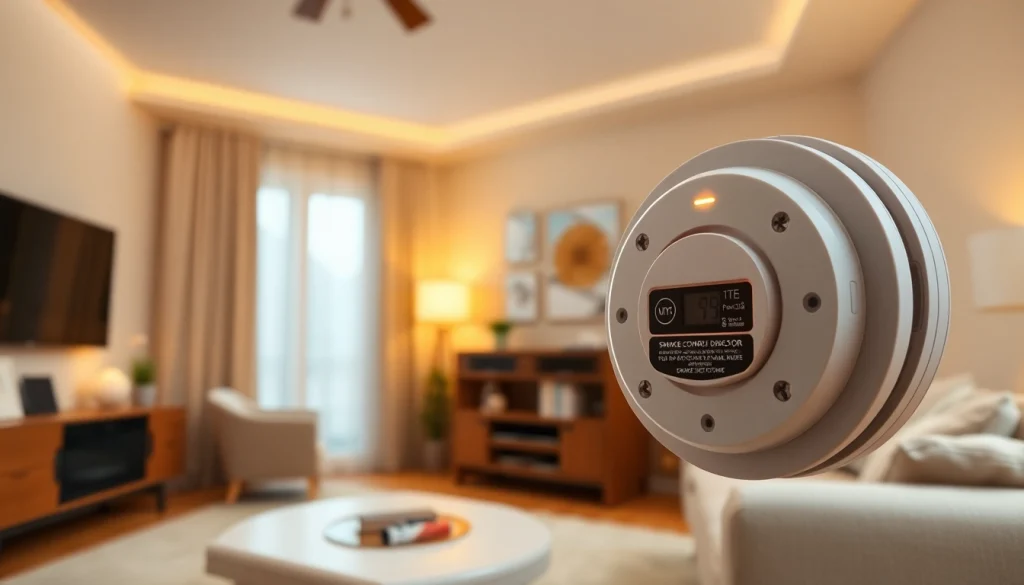
Understanding Smoke Detector Batteries
The effectiveness of smoke detectors heavily relies on one crucial component: the smoke detector battery. Whether you live in a small apartment or a large family home, knowing about smoke detector batteries is essential for ensuring your safety and the reliability of your fire alarm system. In this article, we will delve into the significance of these batteries, the different types available, maintenance tips, and how to integrate them into your emergency preparedness plan.
The Importance of Battery Types
Understanding the different types of smoke detector batteries is an integral part of maintaining home safety. Smoke detectors rely on their batteries to function correctly. There are two primary types of batteries used in smoke detectors: alkaline and lithium-ion. Alkaline batteries are commonly used as they are readily available and cost-effective. However, lithium-ion batteries have become more popular due to their longer lifespan and reduced maintenance needs.
Moreover, not every smoke detector is compatible with every type of battery. Some smoke detectors are designed to work with hard-wired connections and may feature a backup battery that requires specific types to ensure the device operates effectively during power outages.
How Long Do Smoke Detector Batteries Last?
The lifespan of smoke detector batteries varies depending on the type and usage. Typically, standard alkaline batteries last about six months to one year, while lithium batteries can last from two to ten years. It’s essential to check manufacturer recommendations, as some devices come equipped with batteries that cannot be replaced. These devices are often powered by a lithium battery designed to last the entire lifespan of the smoke alarm, which can be up to ten years.
For optimal functionality, testing your smoke detector batteries regularly and replacing them according to the manufacturer’s guidelines is critical. This ensures that your smoke detectors remain vigilant against potential fire hazards.
Recognizing Low Battery Indicators
One of the most crucial aspects of smoke detector maintenance is recognizing signs of low battery power. Most smoke detectors emit a chirping sound when they detect a low battery level. This alert should not be ignored, as it serves as an early warning system reminding you to change your batteries or potentially replace the entire unit if it is nearing the end of its lifespan.
Additionally, newer models may have visual indicators that signal low battery levels, such as an LED light flashing at regular intervals. Familiarizing yourself with these indicators is essential to ensure your smoke detector functions optimally when it matters most.
Types of Smoke Detector Batteries
Typical Battery Options Explained
When it comes to smoke detector batteries, the options can be simplified into primary categories:
- Alkaline Batteries: Typically used in many household smoke detectors. These are widely available and come in standard sizes (e.g., AA, 9V).
- Lithium Batteries: More expensive, but these batteries offer longer life and reliability. Many smoke detectors now come with a non-replaceable lithium battery, designed for the lifespan of the smoke detector itself.
- Rechargeable Batteries: These batteries can be reused multiple times, but they may have specific maintenance requirements to ensure extended service life.
Pros and Cons of Rechargeable vs. Non-Rechargeable
Rechargeable Batteries
Pros:
- Cost-effective over time as they can be reused many times.
- Less environmental waste due to reduced battery disposal.
Cons:
- May require regular maintenance and potential downsizing in performance over time.
- Long charging times can lead to temporary inoperability.
Non-Rechargeable Batteries
Pros:
- Simple to install and replace, offering reliability.
- Immediate power supply with no charge time needed.
Cons:
- Need frequent replacement, which can increase costs over time.
- Contributes to more waste as they are disposed of after use.
Best Battery Choices for Different Smoke Detectors
When selecting the best battery for your smoke detector, consider the specific requirements of the device as outlined by the manufacturer. Here are common recommendations:
- For standard battery-operated smoke detectors, 9V alkaline is typically a safe choice.
- Opt for Lithium batteries for long-term use devices needing minimal maintenance.
- Consult the manual or label on the smoke detector to determine compatibility, especially for hard-wired units with a battery backup.
How to Change Your Smoke Detector Battery
Step-by-Step Replacement Process
Changing the battery in your smoke detector is a straightforward process that can be completed in just a few minutes:
- Ensure the smoke detector is turned off or disconnected from the electrical source if hard-wired.
- Remove the unit from its mounting bracket by twisting or sliding it off.
- Open the compartment that houses the battery—this is usually labeled and easily accessible.
- Remove the old battery carefully, ensuring you dispose of it properly according to local regulations.
- Insert the new battery, ensuring correct polarity (+ and -) matches the markings inside the compartment.
- Close the battery compartment securely and reattach the smoke detector to its mounting bracket.
- Test the smoke detector to ensure proper operation by pressing the test button.
Safety Tips for Battery Replacement
Safety should always come first during battery replacement:
- Choose batteries that meet the specifications provided by the manufacturer.
- Wear safety goggles if working at heights to avoid any accidents.
- If using a ladder to reach the smoke detector, ensure it is stable and on level ground.
Common Mistakes to Avoid
To ensure that you execute the battery replacement correctly, here are a few common mistakes to avoid:
- Forgetting to test the smoke detector after replacing the battery.
- Using batteries that are incompatible with the smoke detector, potentially damaging the unit.
- Neglecting to dispose of old batteries properly; be aware of local recycling programs.
Maintenance Tips for Smoke Detectors
When to Test Your Smoke Detectors
Testing your smoke detectors regularly should be part of your home safety routine. The recommended schedule is once a month. This can be easily remembered by checking smoke alarms when you change your clocks for Daylight Saving Time. Additionally, anytime you replace the battery, it is wise to conduct a test to ensure everything is functioning correctly.
Cleaning Your Smoke Detector
Dust and cobwebs can accumulate in smoke detectors, impacting their performance. Use a vacuum cleaner with a soft brush attachment to gently remove any debris. You can also use a damp cloth to wipe the exterior, ensuring it remains free from dust without compromising the sensors inside. Avoid using cleaning agents that may produce residual fumes that could affect sensor sensitivity.
Other Key Maintenance Practices
In addition to testing and cleaning your smoke detectors, consider implementing these practices:
- Replace your smoke detectors according to the manufacturer’s guidelines, typically every 10 years.
- Keep smoke detectors away from cooking areas, which can trigger false alarms. Place them at least 10 feet from cooking appliances.
- Install supplementary smoke detectors in sleeping areas, hallways, and levels of the home for comprehensive coverage.
Emergency Preparedness and Smoke Detectors
Creating an Emergency Plan
An emergency plan that includes your smoke detectors should be an essential part of your home safety strategy:
- Establish a clear escape route from every room in your home.
- Designate an outside meeting place where everyone can gather after escaping.
- Practice your emergency escape plan with all members of your household, ensuring everyone understands the procedure.
Integrating Smoke Detectors in Safety Protocols
When creating an emergency preparedness plan, factor in the different types and locations of smoke detectors:
- Consider installing interconnected smoke detectors. When one detects smoke, all alarms will sound, increasing the chances of alerting all occupants.
- If living with others, assign roles during emergencies (e.g., who will call 911, who will assist children) to streamline the response process.
Resources for Home Safety
Numerous organizations provide valuable resources on home safety and emergency preparedness:
- The National Fire Protection Association (NFPA) offers education on fire safety, including detection and alarms.
- Your local fire department can provide smoke detector checks, maintenance tips, and fire prevention resources.
- Online platforms offer materials on creating safety checklists, emergency plans, and the importance of smoke detectors in safety protocols.