

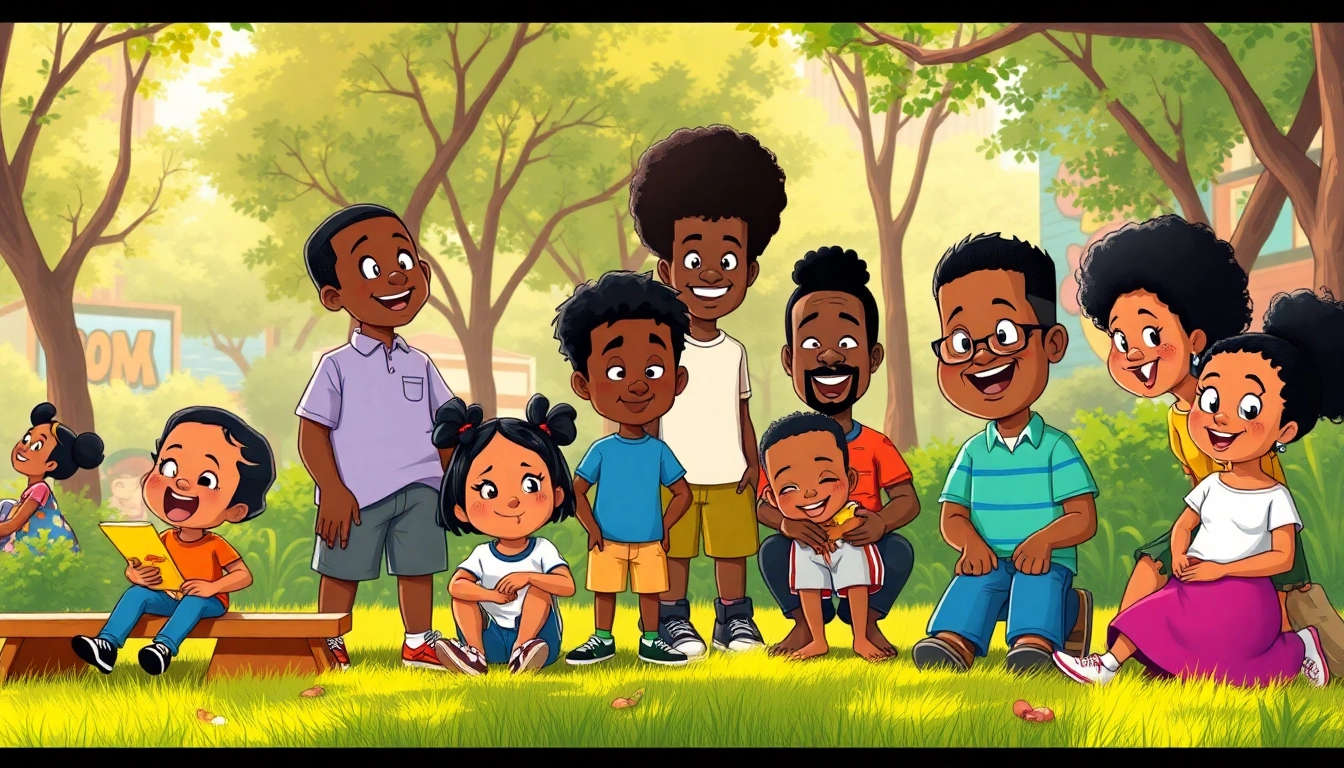
Understanding African American Cartoons
The landscape of animation has evolved significantly over the decades, particularly with the emergence of African American cartoons that have made indelible marks on both the culture and the animation industry. From the innovative work of early pioneers to the vibrant storytelling found in contemporary series, these cartoons offer rich narratives that reflect the experiences and aspirations of the African American community. Exploring the depth and breadth of African American cartoons provides insight into how these animated stories have formed connections across generations and continue to inspire new audiences today. For those interested in exploring a diverse array of animated content, African American Cartoons offer a wealth of options that highlight cultural representation and creativity.
The Historical Context and Evolution
The history of African American cartoons can be traced back to the early 20th century with key figures like George Herriman, creator of the comic strip “Krazy Kat,” and later, artists such as Bill Littlejohn and Floyd Norman. These individuals laid the groundwork for representation in animation while navigating a predominantly white industry. The inception of animated series featuring Black characters began to flourish particularly during the late 20th century, with groundbreaking shows like “Fat Albert and the Cosby Kids” (1972) and “The Boondocks” (2005). These programs not only entertained but also tackled social issues, reflecting the struggles and experiences of African Americans in a way that had previously been absent in mainstream media.
Key Influences on Modern Animation
Modern African American cartoons draw heavily from the historical context established by earlier animations. Influences from hip-hop culture, social justice movements, and African American literature have shaped narratives and character development in recent shows. For instance, “The Proud Family: Louder and Prouder” (2022) revives its beloved predecessor while addressing contemporary issues, such as identity, family dynamics, and social activism. This evolution reflects how animated content is increasingly embracing complexity and authenticity in storytelling, which resonates deeply with viewers.
Why Representation Matters in Animation
Representation in animation is crucial as it informs cultural identity and helps shape the perceptions of young viewers. Animated shows that feature diverse characters and storylines contribute to a broader understanding of different cultures and experiences. They allow audiences, particularly children, to see themselves reflected on screen, fostering self-esteem and a sense of belonging. Moreover, representation in cartoons challenges stereotypes and promotes empathy by presenting varied narratives within the African American community, thus enhancing cultural awareness.
Top African American Cartoons to Watch
As the animation landscape continues to evolve, several notable African American cartoons stand out for their quality of storytelling and cultural relevance. These shows not only entertain but also provide lessons that resonate with audiences of all ages. Here’s a look at some iconic past shows, current trends, and what we can expect in the near future.
Iconic Shows from the Past
- Fat Albert and the Cosby Kids: Known for its relatable characters and moral lessons, this series was a staple during the 1970s and 1980s, introducing viewers to the lives of urban youth.
- The Boondocks: An innovative series that satirizes contemporary culture through the eyes of two African American brothers, it is celebrated for its sharp wit and social commentary.
- The Proud Family: This groundbreaking series was one of the first to center around an African American family, addressing issues such as friendship, family, and cultural pride.
Current Trends in Animation
Today’s animated series increasingly reflect the cultural zeitgeist and tackle a variety of complex themes. Shows like “Craig of the Creek” and “Young Justice” emphasize diversity, showcasing characters from different backgrounds while dealing with relatable childhood experiences. Additionally, platforms like Netflix and Hulu are producing more animated content featuring African American creators and voices, which is pivotal in diversifying narratives within the industry.
Upcoming Releases in 2026
The future looks promising for African American animation, with several projects slated for release in 2026. Anticipated titles include sequels and reboots of beloved classics that aim to reintroduce iconic characters to a new generation while maintaining the essence that made them special. Furthermore, new properties are emerging which promise to push boundaries and explore themes relevant to today’s societal landscape, ensuring that the voices of African Americans continue to be heard in the animation sphere.
Character Analysis: The Impact of Representation
Characters in African American cartoons often serve more than just entertainment—they become symbols of cultural identity, resilience, and empowerment. Each character’s journey reflects both personal and communal stories that resonate deeply with audiences.
Memorable Characters and Their Stories
- Huey Freeman: The protagonist of “The Boondocks,” Huey is often portrayed as a critical thinker who challenges societal norms, making him an emblem of intellectualism and activism.
- Penny Proud: From “The Proud Family,” Penny navigates the challenges of adolescence while celebrating her identity as a young African American girl, encouraging viewers to embrace their heritage.
- Doc McStuffins: This show features a young African American girl who aspires to be a doctor, breaking stereotypes and promoting aspirations within the realm of health and science.
Lessons Learned from Iconic Figures
Through their journeys, characters like Huey Freeman and Penny Proud impart invaluable life lessons. Themes of courage, self-acceptance, and the importance of family resonate throughout their stories, allowing younger audiences to learn and grow through their experiences. This emphasis on character development is crucial in molding the values and perspectives of future generations.
Character Development in Contemporary Series
Current animated series are increasingly focusing on holistic character development, emphasizing multifaceted personalities over stereotypical portrayals. Characters are often depicted with vulnerabilities and strengths that mirror real-world complexities, providing relatable narratives for viewers. Shows like “Craig of the Creek” illustrate how characters build friendships and solve problems, showcasing the beauty of collaboration and inclusiveness.
Creating Community Engagement through Cartoons
Animated content is not just a means of entertainment; it also plays a significant role in fostering community engagement and cultural awareness. By addressing relevant social issues through storytelling, cartoons can catalyze discussions and promote understanding among diverse audiences.
Building Cultural Awareness with Animated Content
Animation provides a platform for exploring cultural narratives and societal issues. Programs that include African American perspectives often challenge misconceptions and foster deeper understandings of diverse experiences. Initiatives to include educational programming alongside entertainment can also help bridge the gap between entertainment and learning.
How Cartoons Shape Young Minds
The impact of animated series on children’s development cannot be understated. Cartoons featuring diverse characters encourage empathy and inclusiveness, allowing young viewers to learn about and appreciate differences. Exposure to various cultural backgrounds fosters an environment of acceptance and understanding, which is critical in shaping compassionate future leaders.
Interactive Events and Their Importance
Engagement through interactive events, such as community screenings and panel discussions with creators, can enhance the impact of animated content. These events allow audiences to connect deeper with the stories and characters they love, facilitating discussions around cultural representation and the messages conveyed through animation.
Future Trends in African American Animation
Looking forward, the landscape of African American animation is set to evolve with emerging technologies and shifts in viewer preferences. This evolution promises to change not only how stories are told but also the experiences viewers have while engaging with animated content.
Emerging Technologies in Animation
Advancements in animation technology, including augmented reality (AR) and virtual reality (VR), open new avenues for storytelling. These technologies allow for immersive experiences that can further engage audiences with rich narratives and characters. As these technologies become more accessible, they will likely play a pivotal role in how animated content is produced and consumed.
How Streaming Platforms Are Changing the Landscape
Streaming services have revolutionized the way content is delivered, allowing for greater diversity in programming. Platforms like Netflix, Hulu, and Disney+ are investing heavily in animated series that spotlight African American stories and creators, which is essential for broadening the narratives available to viewers. This trend also allows for more niche content to flourish, reaching audiences that traditional networks might overlook.
Predictions for African American Cartoons in 2026
As we approach 2026, it is anticipated that the trend of inclusivity and representation will continue to drive the production of African American cartoons. With more platforms prioritizing diverse narratives, viewers can expect an influx of new characters and stories that challenge stereotypes while celebrating cultural heritage. As the industry shifts, the voices of African American creators will become increasingly prominent, shaping a new era of animation that is authentic, inspiring, and reflective of the community it represents.