Introduction to Shashel's Innovative Technology
In the ever-evolving field of pest control and woodworking, innovation plays a crucial role in maintaining high standards of quality and safety. Shashel stands at the forefront of this movement, offering advanced microwave technology that promises the total elimination of wood-boring pests in mere minutes. This revolutionary approach not only addresses the immediate concerns of infestation but also enhances the overall integrity of wooden materials. By understanding the Shashel concept and its various benefits, users can embrace a future free from the threats of pests damaging wood structures.
Understanding the Shashel Concept
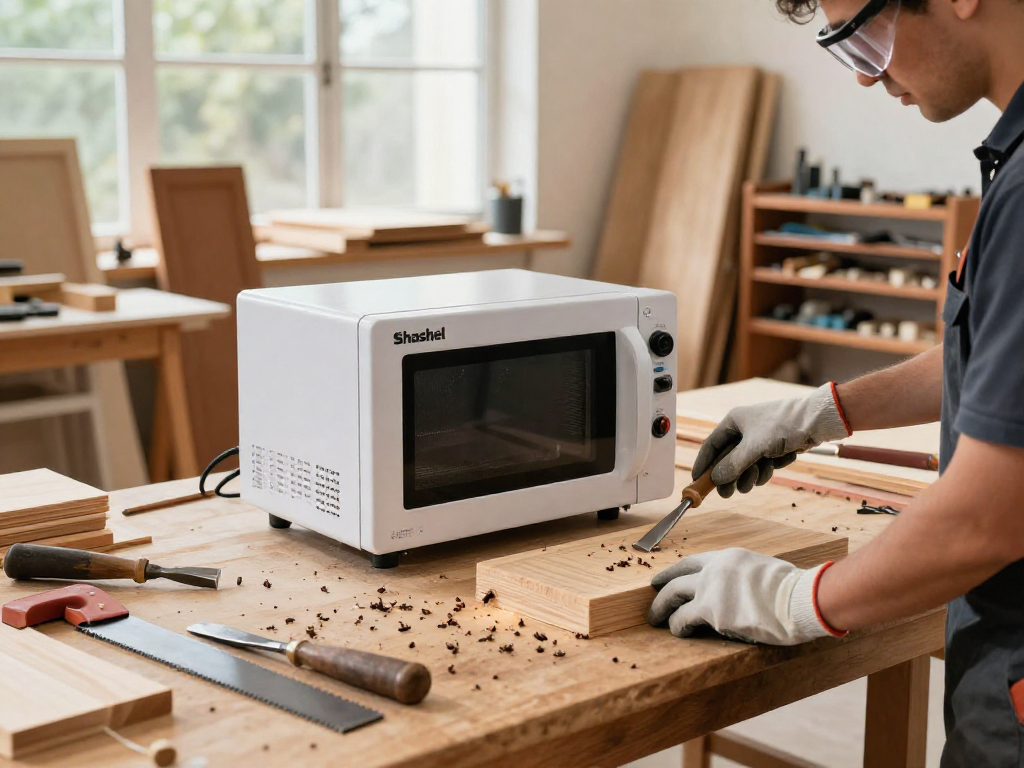
The Shashel technology leverages the power of microwaves to eradicate pests without the need for harmful chemicals. This method is particularly effective against wood-boring beetles and similar insects, which are notorious for compromising the structural integrity of wood products. Shashel's approach is not just about pest control; it's about providing a holistic solution that prioritizes quality and environmental safety.
How Microwaves Work in Pest Control
Microwave pest control works by targeting the water molecules in insects. When exposed to microwave energy, these molecules vibrate rapidly, generating heat that ultimately kills pests without damaging the wood itself. This method is effective across various wood types and poses no risk to the surrounding environment, making it a preferred choice for sustainable pest management. Users interested in exploring these options will find that Shashel provides comprehensive insights into their technology and benefits.
The Importance of Quality in Wood Processing
Quality control is paramount in wood processing. Wood infested with pests not only loses its aesthetic appeal but also its durability and functionality. Shashel’s microwave technology ensures that wood retains its integrity while effectively eliminating pests, ensuring that end-products meet the highest standards. This becomes increasingly important as consumers demand better quality and sustainability in their products.
Identifying Pest Problems in Wood
Recognizing pest problems in wooden structures is essential for effective treatment and prevention. Understanding the signs of infestation can save significant repair costs and preserve the quality of valuable wooden items.
Common Types of Wood-Boring Beetles
Wood-boring beetles, such as the powderpost beetle and the old house borer, are among the most common culprits of wood damage. Each species has distinct characteristics and life cycles, but all share a common trait: they can severely compromise wood integrity if not detected and treated promptly.
Signs of Infestation and Damage
Typical signs of wood infestation include small holes in wood surfaces, powdery frass, and weakened structural components. Early detection is vital; hence, regular inspection of wooden products is recommended to prevent extensive damage.
Consequences of Ignoring Pest Issues
Failing to address pest issues can lead to severe consequences, including structural failures and costly repairs. Furthermore, pest infestations can spread, affecting surrounding wood structures and leading to broader property damage. Thus, a proactive approach using technologies like Shashel is crucial to maintaining the integrity of wood products.
Benefits of Using Shashel Equipment
The advantages of implementing Shashel's microwave pest control technology are numerous, making it a wise investment for anyone involved in wood processing or restoration.
Quick and Effective Elimination of Pests
One of the standout features of Shashel equipment is its ability to eliminate pests quickly. Users can expect dramatic results in mere minutes, thus minimizing downtime and enhancing productivity in wood processing operations.
Quality Control in Wood Processing
By utilizing Shashel's technology, businesses can ensure that they are providing high-quality wood products free from pests. This not only helps in maintaining customer satisfaction but also in building a strong brand reputation in a competitive market.
Safe and Environmentally Friendly Solutions
Shashel’s microwave equipment offers a pest control solution that is both safe for users and environmentally friendly. Unlike traditional methods that involve chemicals, Shashel ensures that no harmful residues are left behind, promoting a healthy environment for both humans and wildlife.
How to Use Shashel Equipment Effectively
To maximize the effectiveness of Shashel's microwave technology, proper usage is essential. Below is a step-by-step guide to ensure optimal results when treating wood items.
Step-by-Step Guide to Using Shashel's Microwave Technology
- Preparation: Begin by assessing the wood item for signs of infestation. Ensure that the wood is clean and free from dirt.
- Setup: Place the item in the Shashel microwave unit, making sure that it fits securely and there is adequate space around all sides.
- Settings: Adjust the settings according to the manufacturer's recommendations based on the wood type and thickness.
- Run the Cycle: Start the microwave process and monitor the treatment cycle to ensure it runs smoothly.
- Post-Treatment Inspection: After the cycle completes, inspect the wood for any remaining signs of pests.
- Storage: Store the treated wood in a pest-proof environment to prevent re-infestation.
Best Practices for Wood Treatment
In addition to following the basic steps, integrating best practices is essential for long-term success in wood treatment. Some best practices include:
- Regularly inspecting wooden items for early signs of pest activity.
- Using preventive treatments on new wood products.
- Maintaining a clean storage environment to minimize pest attraction.
Maintaining Equipment for Longevity
For optimal performance, regular maintenance of Shashel equipment is crucial. This includes cleaning after each use, checking for any signs of wear, and following the manufacturer’s guidelines for servicing the unit.
Future Trends in Pest Control and Woodworking
As technology continues to advance, the future of pest control and woodworking looks promising. The integration of new technologies will likely reshape how industries approach pest management and wood processing.
Advancements in Microwave Technology
The future holds potential for further advancements in microwave pest control technology, including greater efficiencies and enhanced capabilities tailored to specific pest types. Continuous research and development will ensure Shashel remains at the cutting edge of innovation.
2026 Industry Predictions and Insights
By 2026, it is anticipated that the demand for sustainable pest control methods will increase significantly, driven by consumer awareness and regulatory pressures. Companies like Shashel are positioned to lead this transition, providing eco-friendly solutions that align with industry trends.
Shashel's Role in Sustainable Wood Processing
With a commitment to sustainability, Shashel is set to play a vital role in the future of wood processing. By reducing the reliance on chemicals and enhancing wood quality through effective pest management, Shashel supports a greener initiative within the industry.
What are Shashel's key benefits for pest control?
Shashel’s benefits include rapid pest elimination, quality preservation of wood, and environmentally safe practices, making it a comprehensive choice for pest management.
How fast can Shashel equipment eliminate pests?
Shashel equipment can eliminate pests in a matter of minutes, significantly reducing processing time and enhancing productivity.
Is Shashel technology safe for all types of wood?
Yes, Shashel technology is designed to be safe for all types of wood, ensuring that quality and structural integrity are maintained post-treatment.
What maintenance is required for Shashel equipment?
Regular cleaning, inspection for wear, and adherence to manufacturer’s instructions are crucial for maintaining Shashel equipment.
What future developments can we expect from Shashel?
Future developments may include enhanced microwave technologies, adaptive systems for different wood types, and broader applications in pest control and woodworking.